Gatehouse of Fleet
Epithets (all positive) abound in attempting to describe this small town sited in the heart of Galloway: beautiful, charming, historical, tranquil being but a few; yet at the same time, convenient and practical in terms of facilities and as a base to explore the region in every direction. Situated on the edge of the magnificent Galloway Forest Park, it is well placed to give easy access to both the hills and the coastline – and a host of other places to visit as outlined in our main guides.
While Gatehouse (for short) and its surrounding area is steeped in visible history – such as the ancient fort on Trusty’s Hill and the medieval towerhouse of Cardoness Castle – it developed as a planned cotton mill town in the 18th century. ‘Gatehouse’ derives from the former tollhouse here on the road from Dumfries to Portpatrick (the old port for sea crossings to Ireland) – and ‘Fleet’ of course from the river itself, the ‘Water of Fleet’, which effectively divides the town in two halves.
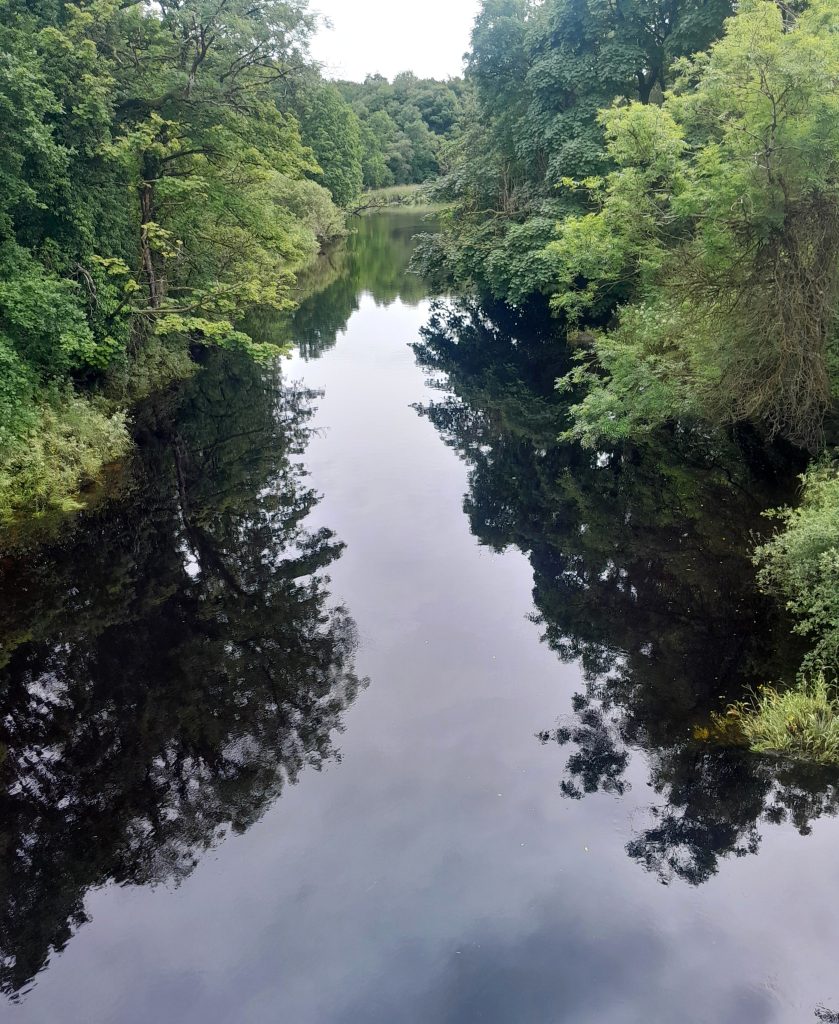
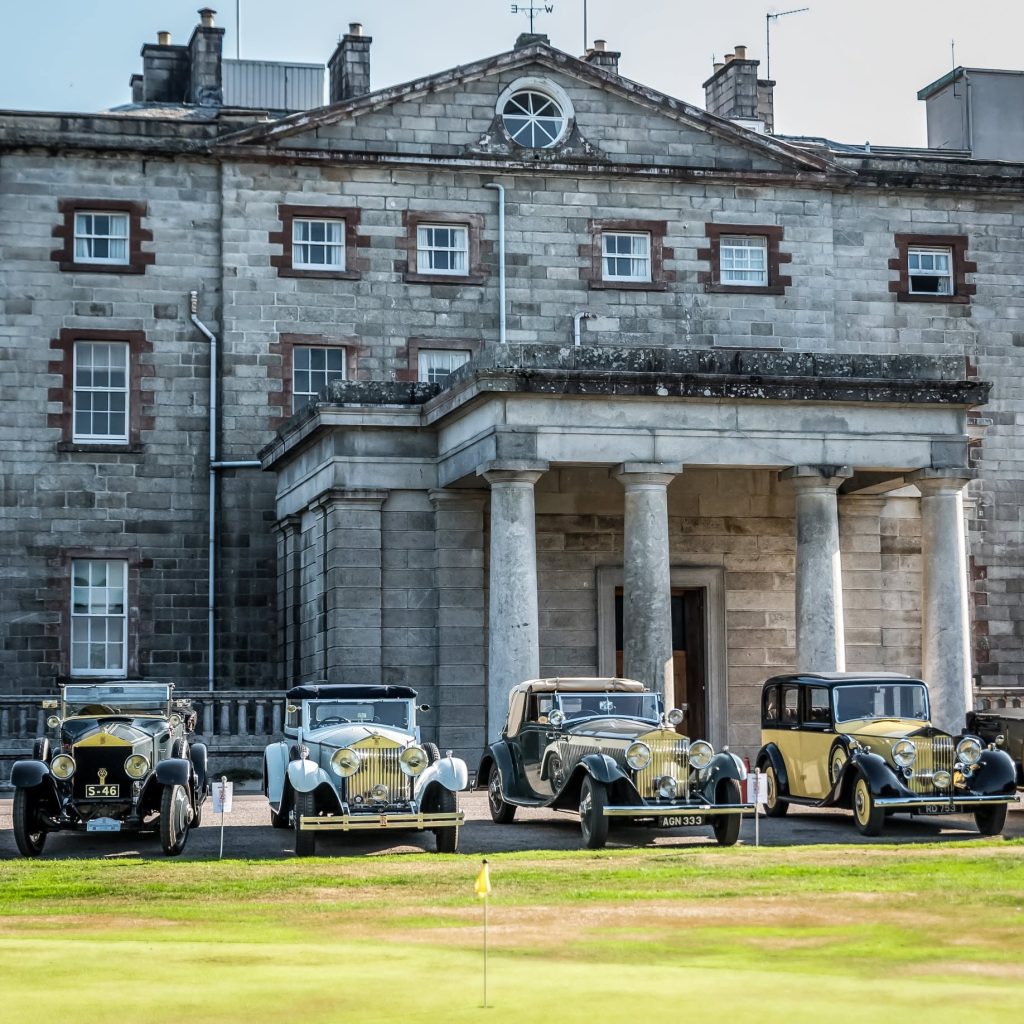
During the 18th century, the Murray family developed the landscaped Cally estate – on the eastern edge of today’s town – with its mansion (now the Cally Palace Hotel), an ornamental lake, a folly temple, plus walled garden. The estate remains a beautiful place to visit – one which we’ll feature in a separate blog post. While the Murrays’ wealth was initially derived from cattle, Gatehouse became their planned settlement. A cotton spinning mill was established in 1785, with three more constructed – although their success was relatively short lived. The river was canalised and Port MacAdam, traces of which survive, was created to allow larger ships to reach the town. The Mill on the Fleet visitor centre, with its two mill wheels, and the mill pond at the top of the town, are surviving testimony to this heritage.
Image: classic car rally at the Cally Palace Hotel (courtesy of Cally Palace)
Almost from the outset, James Murray oversaw the building of quality housing for his employees along the principal and other streets – and it is these neat Georgian structures which give Gatehouse much of its present charm.
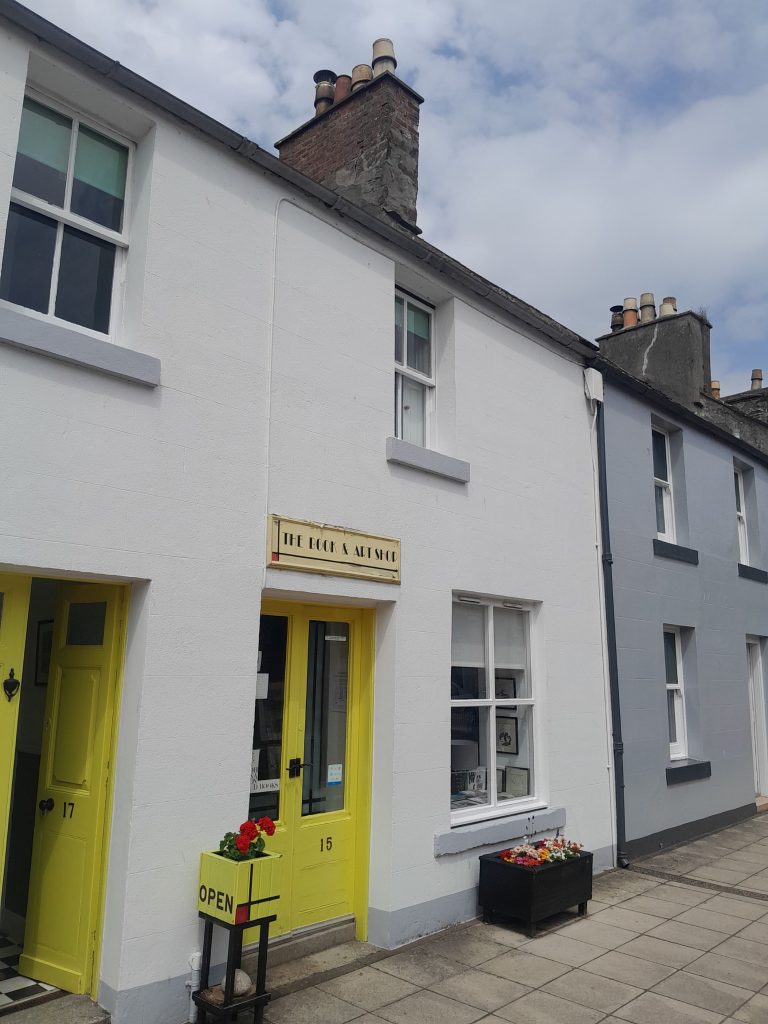
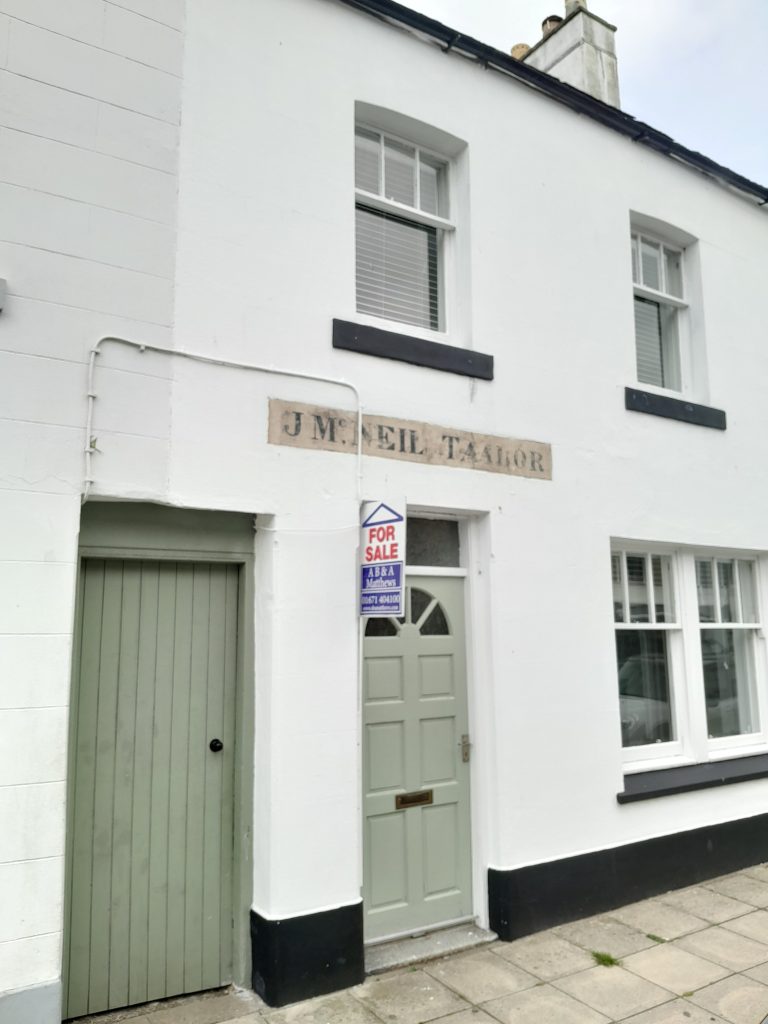
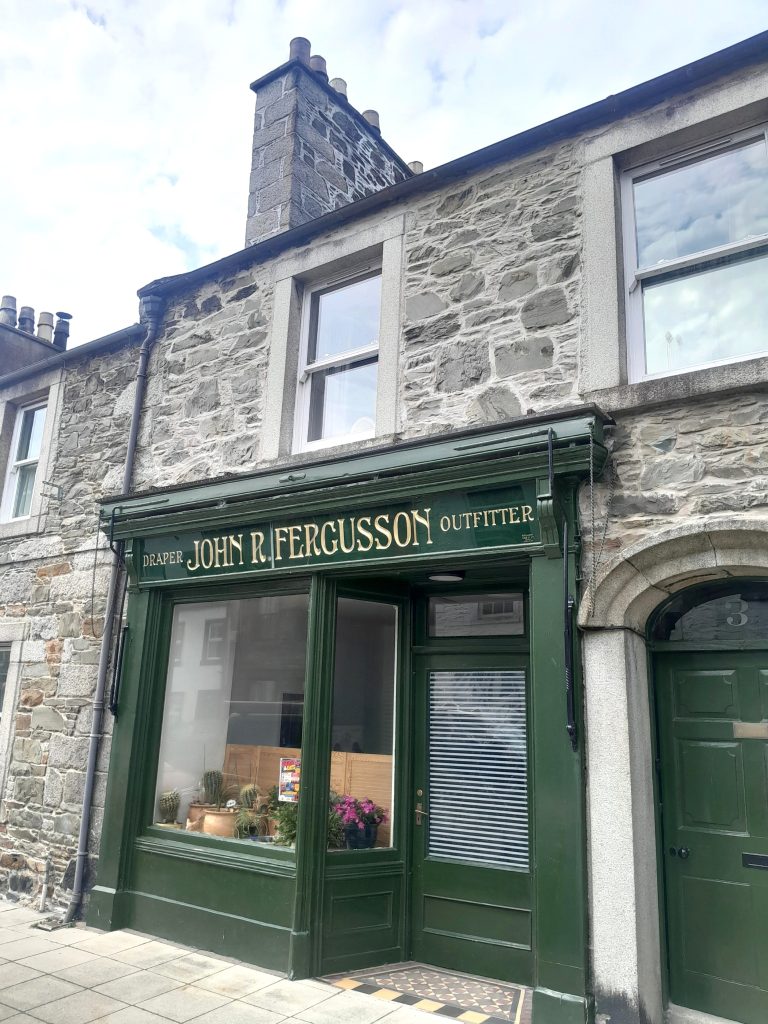
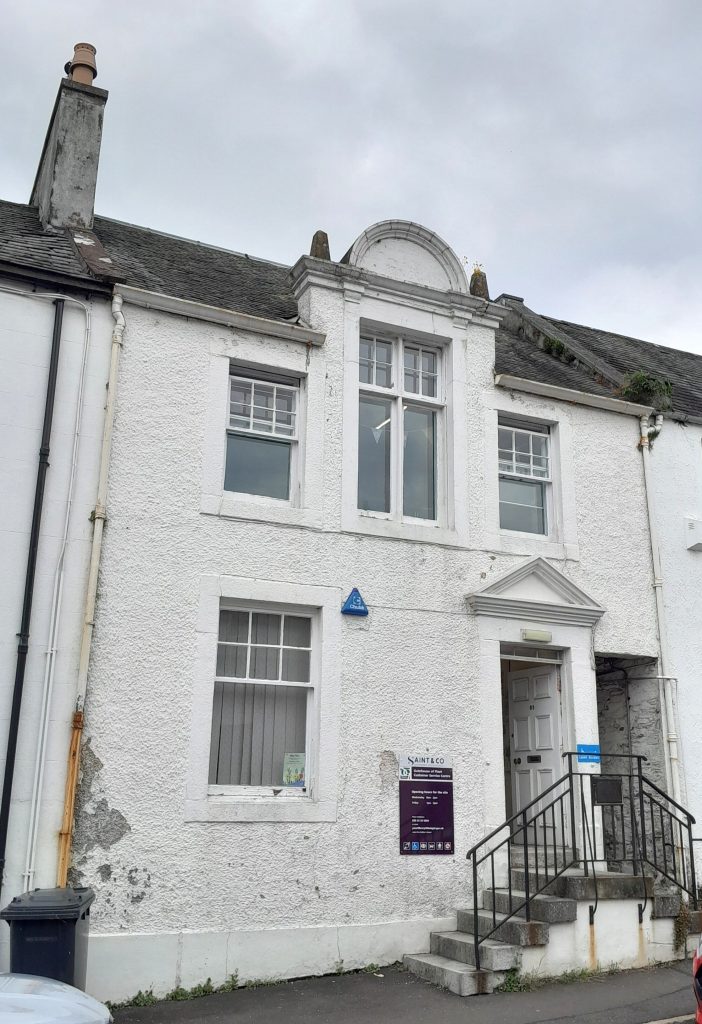
Examples of former and current shops along the High Street, and the local library
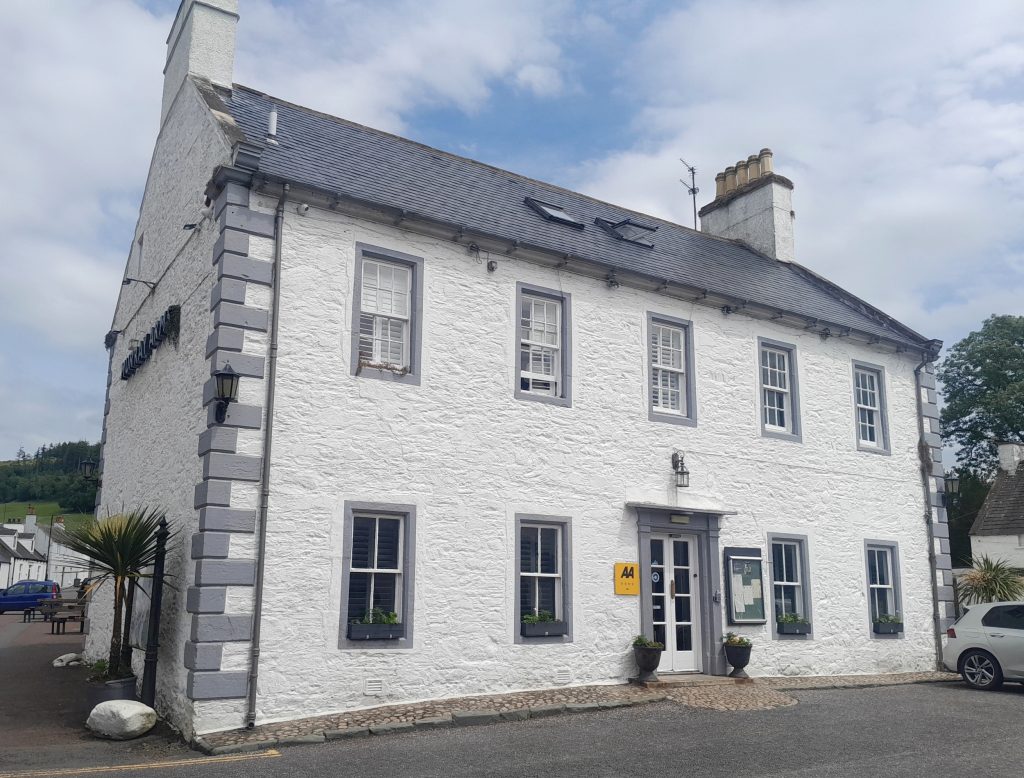
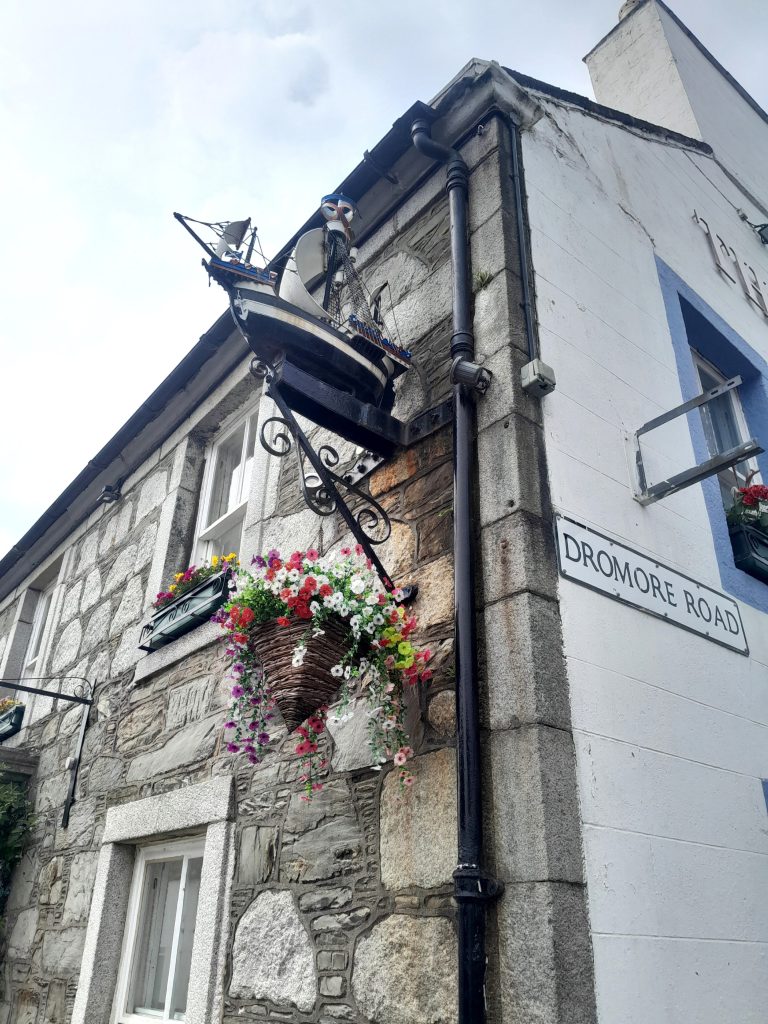
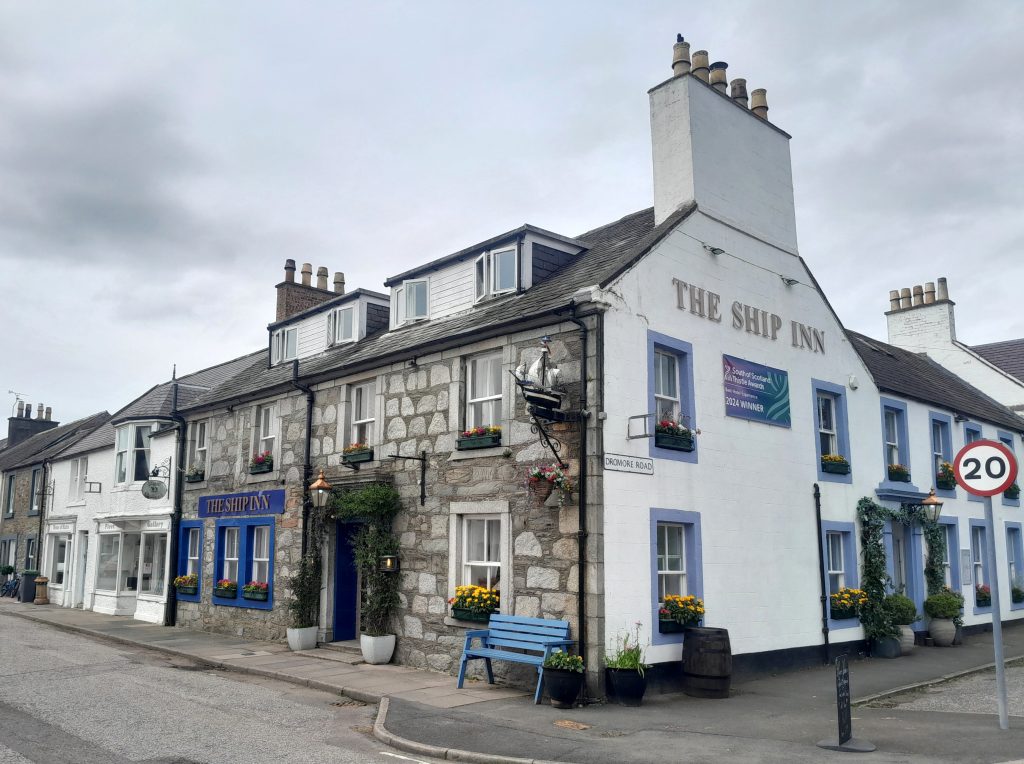
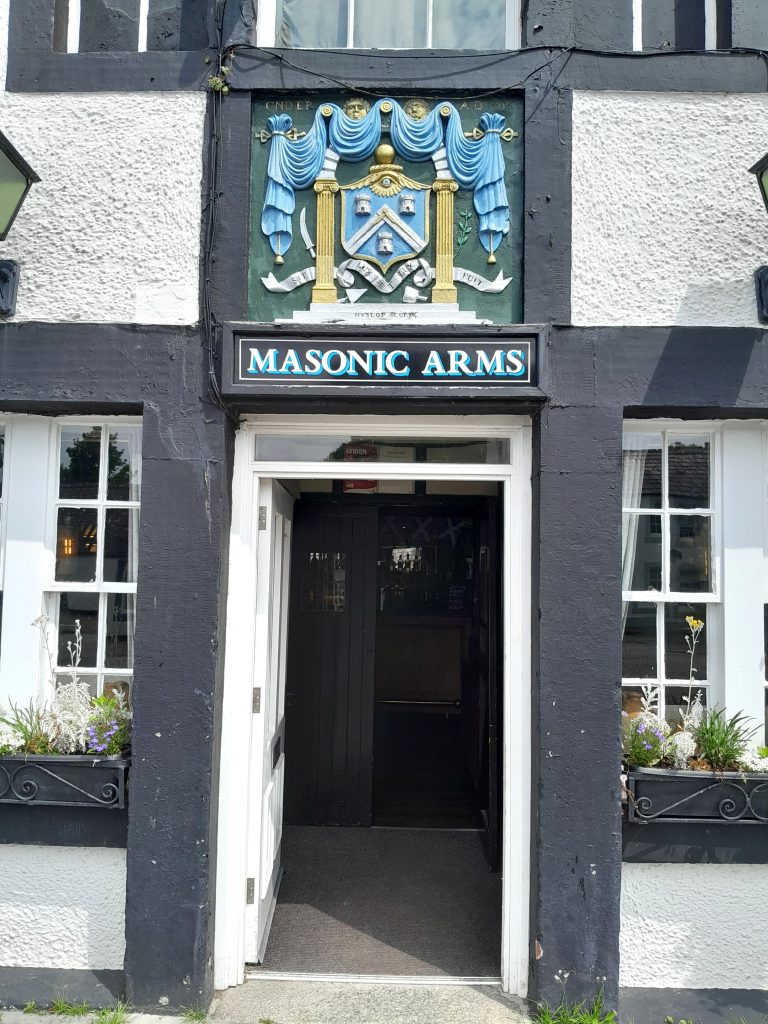
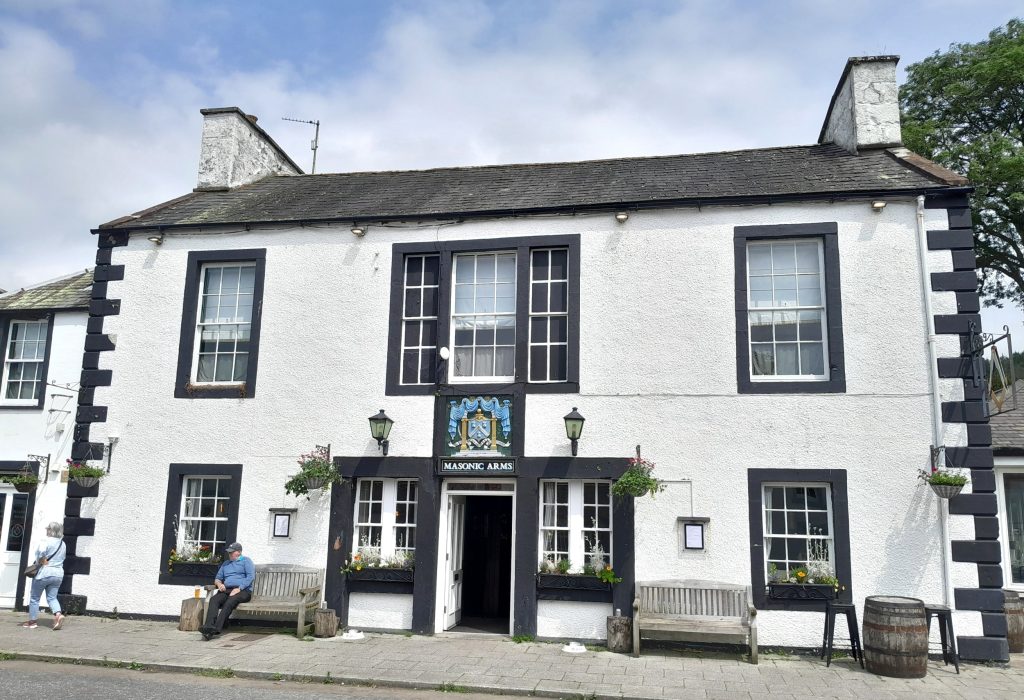
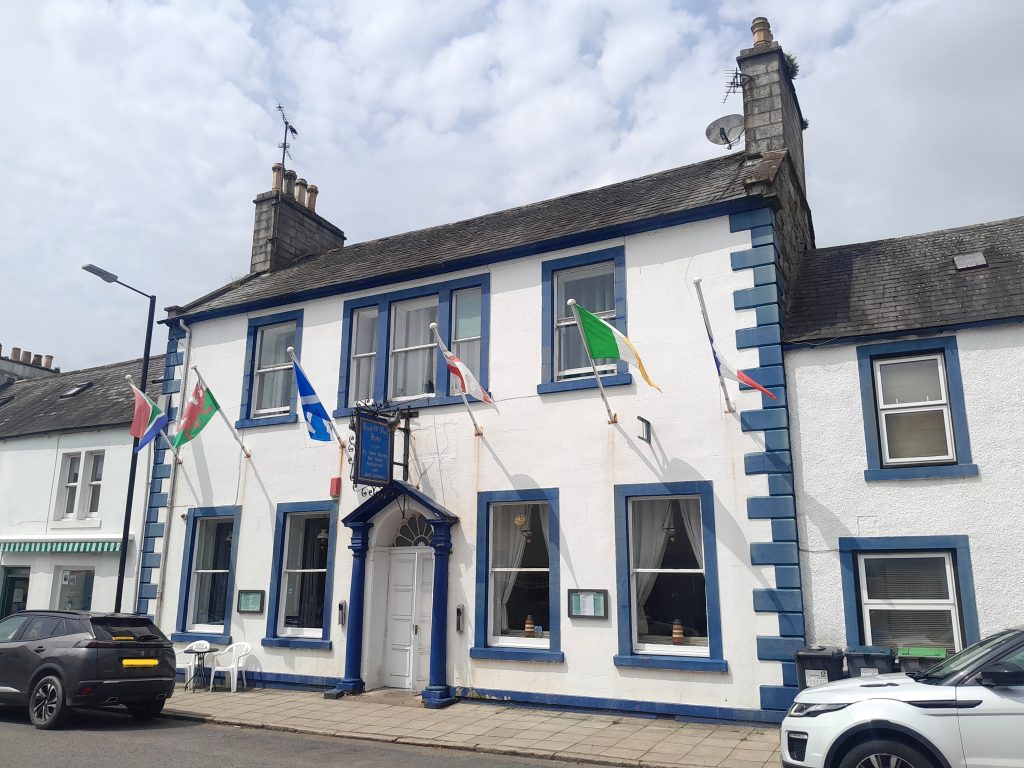
By the early19th century there were a dozen or so inns in Gatehouse, which served both local needs (or thirst) and the coaching trade. The oldest enduring example is the Murray Arms (pictured left), with others including the Ship Inn and the Masonic Arms. This trio continue to offer visitors excellent hospitality.
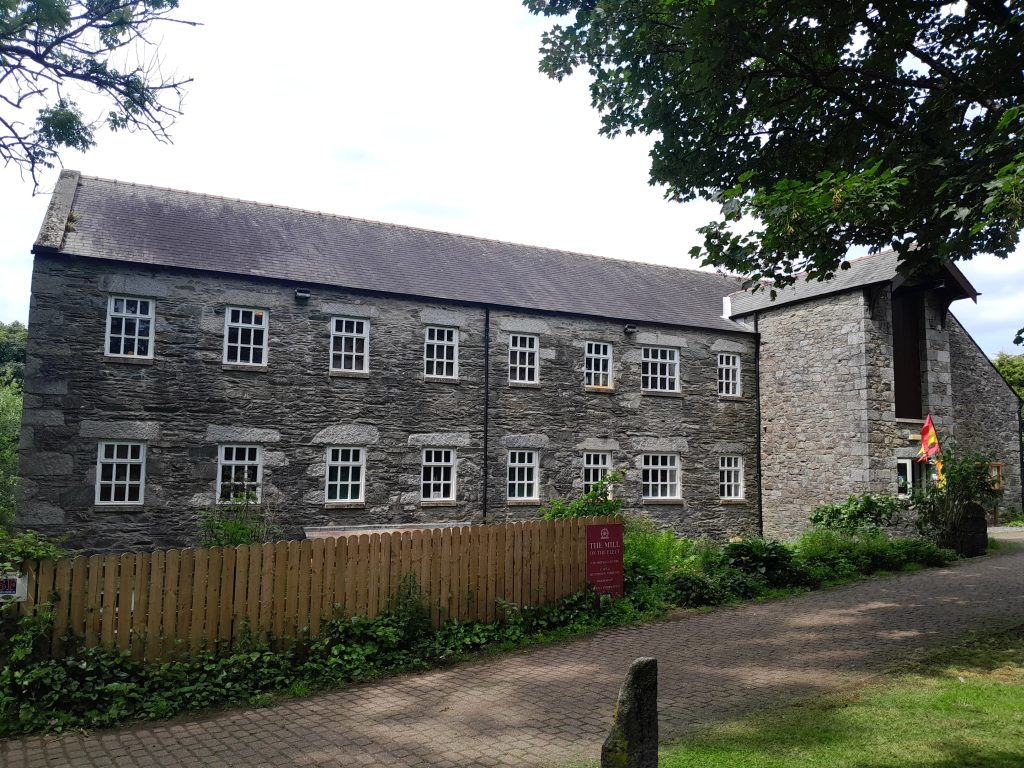
The largest and still surviving of the local cotton mills is that today serving as The Mill on the Fleet visitor centre. It showcases an annual programme of temporary exhibitions, as well as displays on the history and heritage of Gatehouse and the Fleet Valley. The Gatehouse Tourist Information Centre is based in the Mill, which also contains a large shop promoting regional arts and crafts, a second-hand bookshop, and a café with riverside terrace. The Mill moreover hosts live music events, talks and festivals throughout the season.
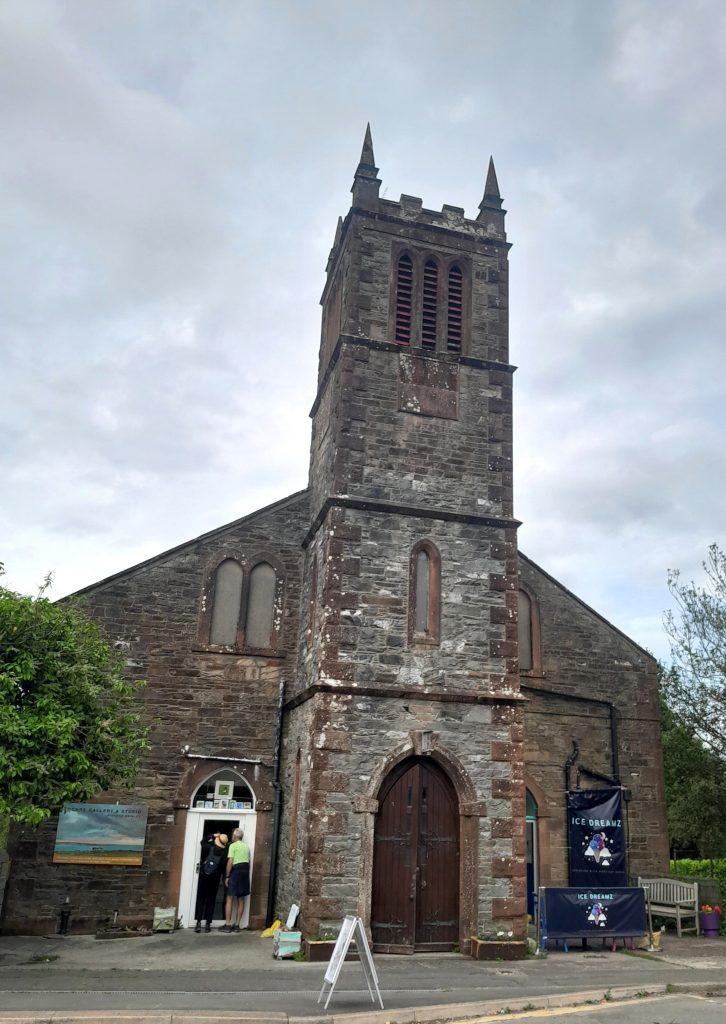
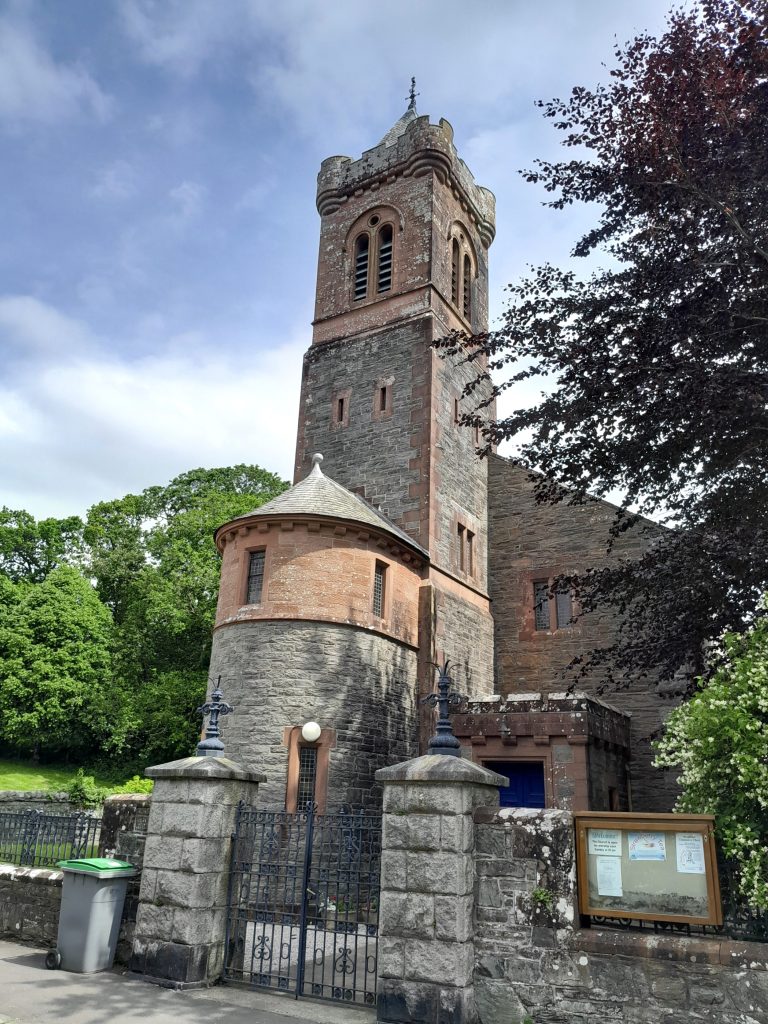
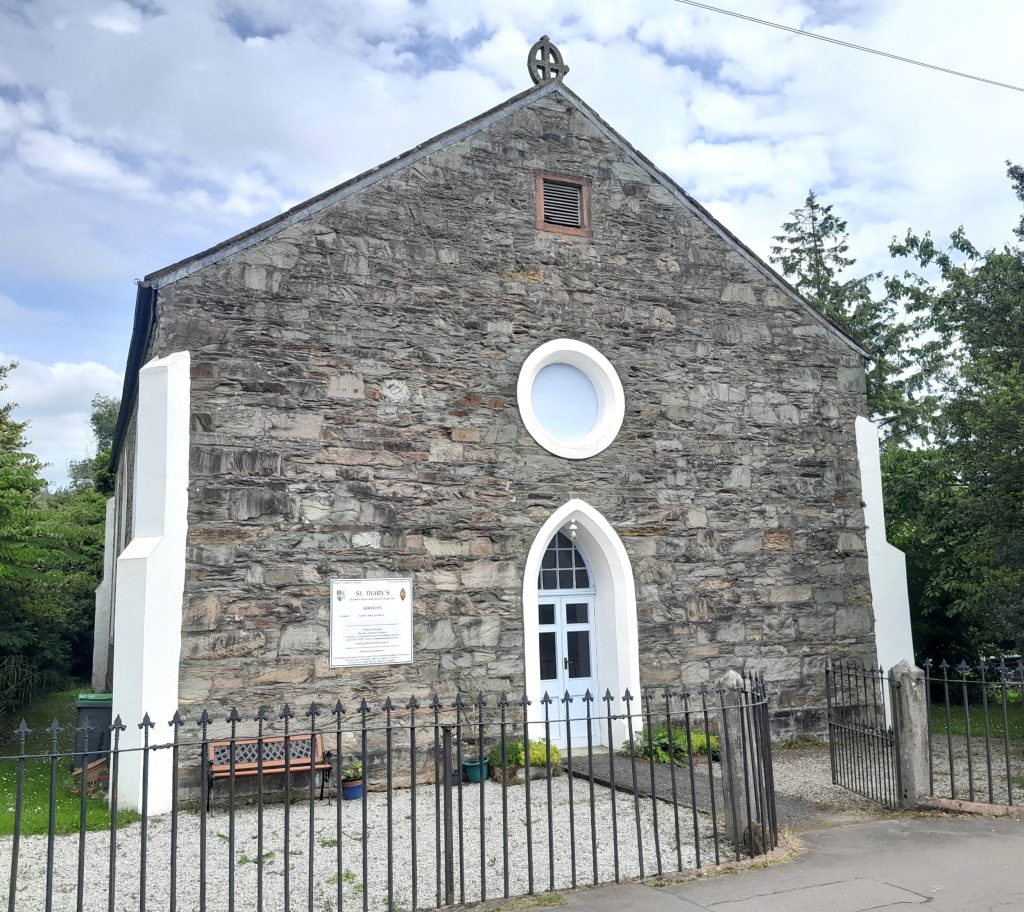
The town has three churches, all dating from the early-mid 1800s. One of these, originally ‘Anwoth Free’ (below left) has been long converted to business use – with the other two still serving as places of worship: Girthon parish church (centre) and St Mary’s Episcopal church (right) which opened as a congregation of the United Secession.
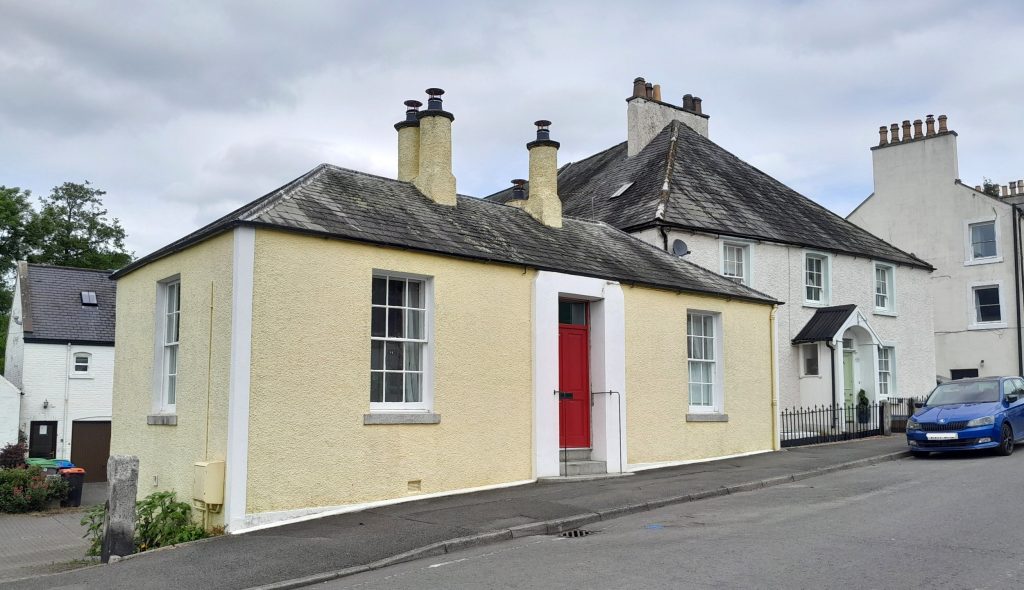
Gatehouse is indeed something of a built-heritage conservation gem. In addition to the lines of terraced dwellings, there are many freestanding villas and townhouses, such as the example shown (left) of Brae Cottage (like almost all the others still a private residence).
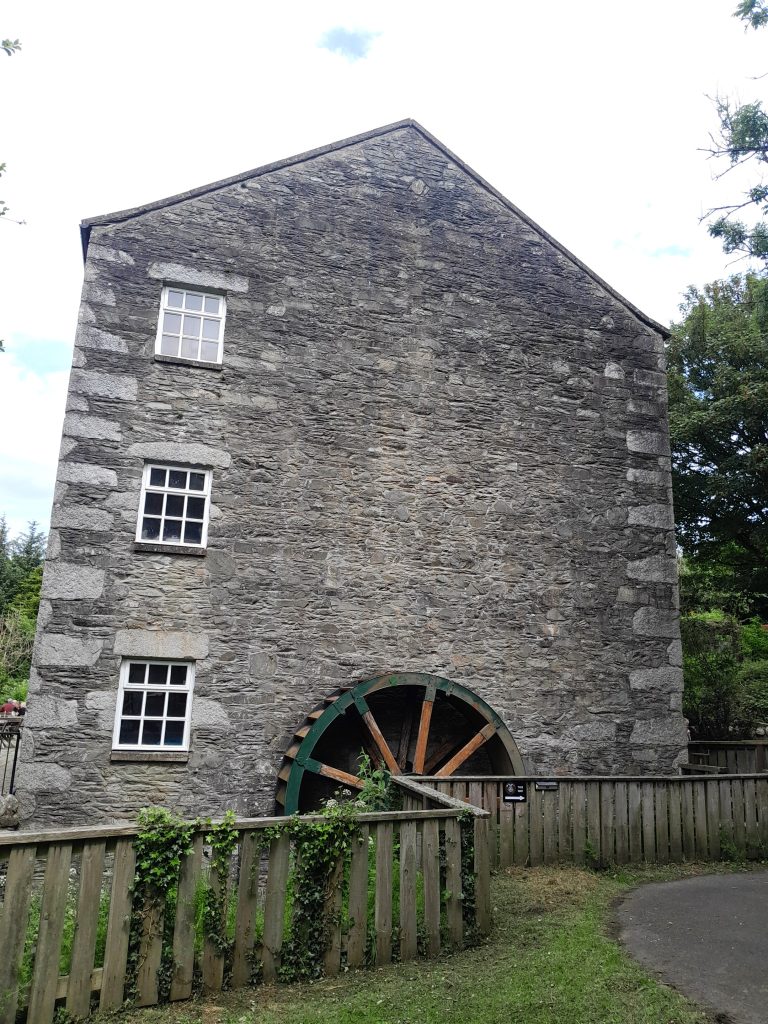
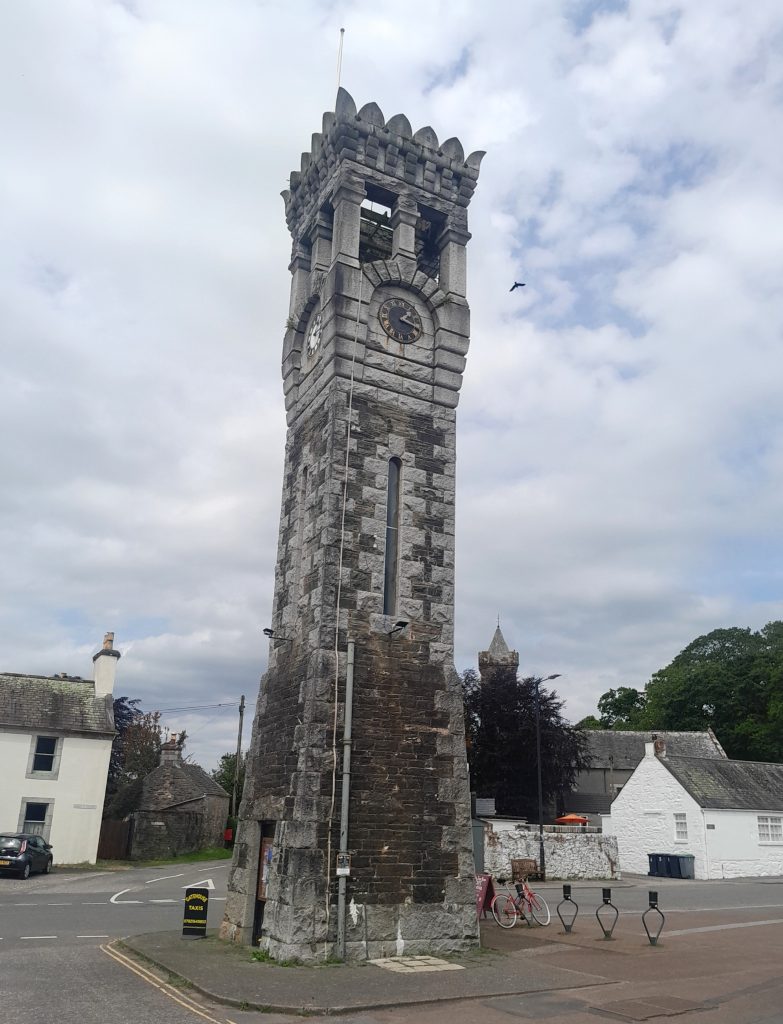
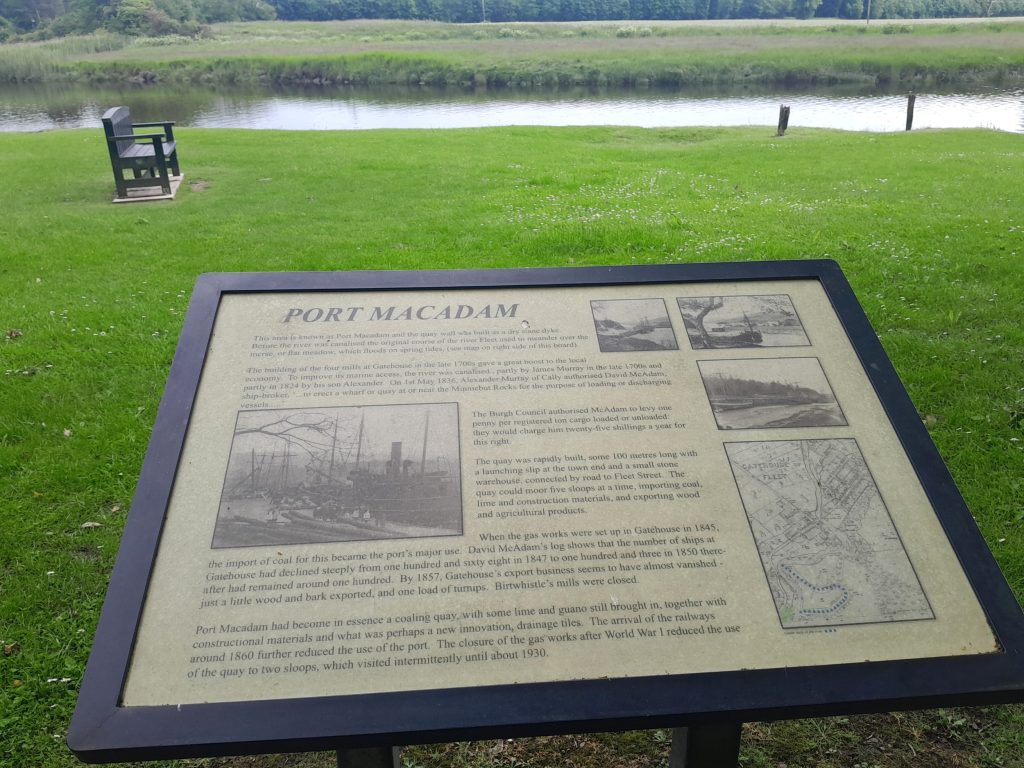
Images above: one of two water wheels at the Mill on the Fleet; the Victorian-era granite Clock Tower; an information board at ‘Port MacAdam’
Another fine food, beer, and accommodation option in Gatehouse is the Bank of Fleet Hotel. Here, however, the building was originally a large townhouse, then in turn a bank. Like the majority of structures in the town, it too is listed.
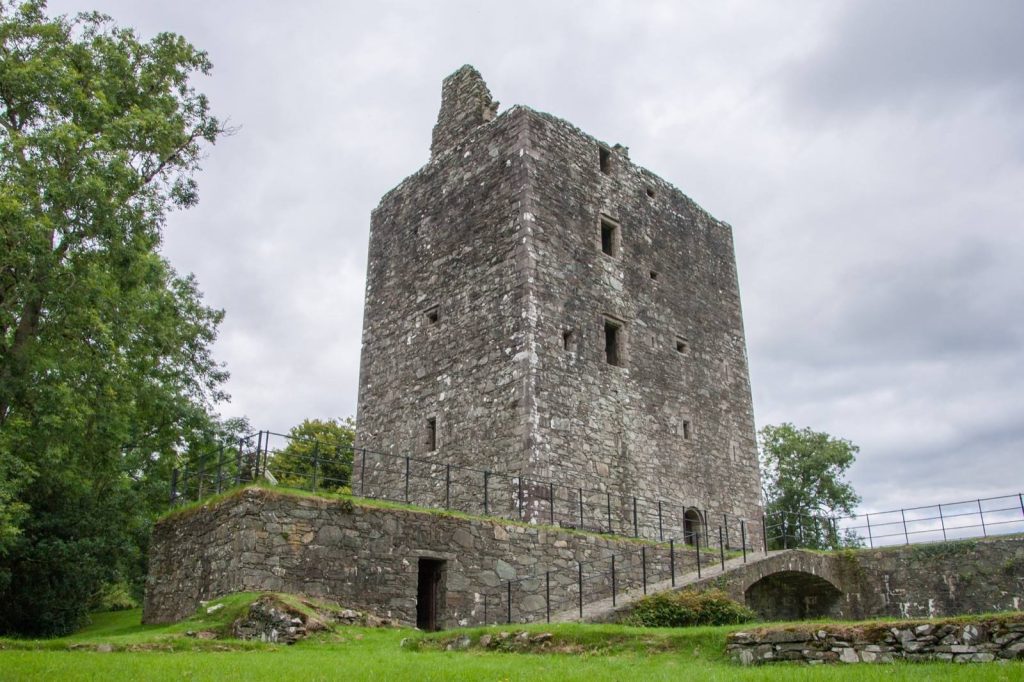
Just outside the town, on its western fringes, easily visible from the main A75 road, is the medieval towerhouse – effectively a small castle typical of Scotland – of Cardoness. It was built by the powerful McCullochs, an important Galloway family (or ‘clan’) long embroiled in warfare and feuds with rival families. The interior of the building is currently closed for conservation work, but the grounds and visitor centre can be visited from Thursday to Saturday (April to October).
In terms of pleasant walks around Gatehouse, visitors are spoilt for choice. Two contrasting options comprise a stroll though the verdant Cally woods or a more strident trek up Trusty’s Hill
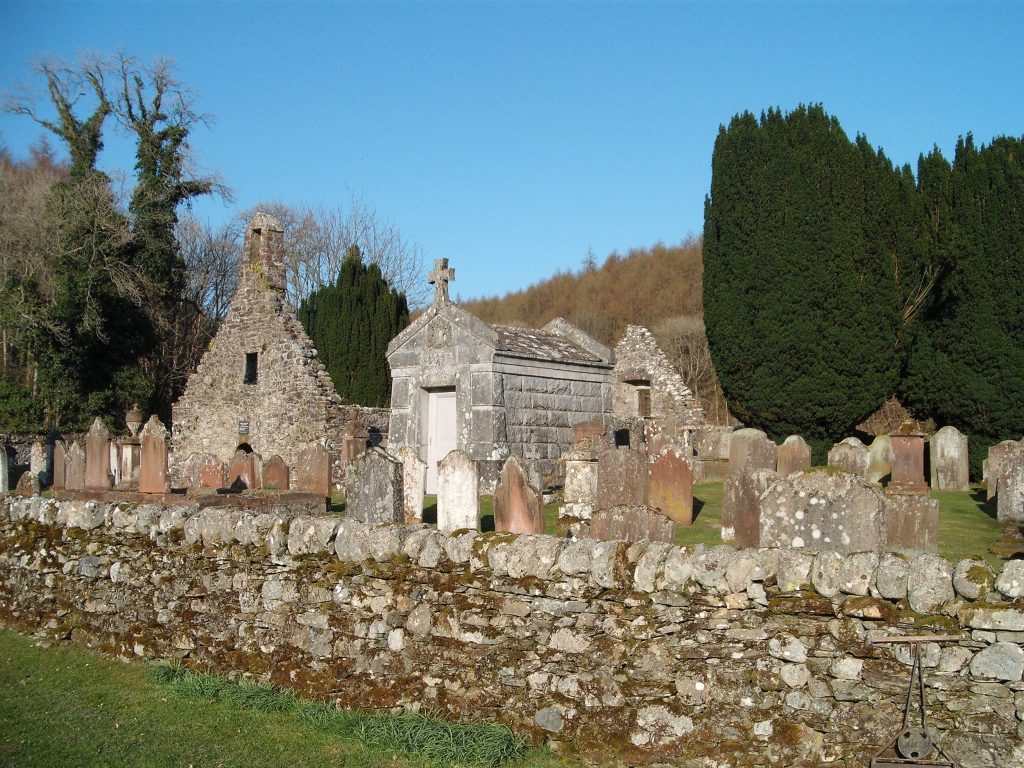
And finally (for the moment anyway, as there is so much to explore in and around Gatehouse of Fleet) – fans of the 1973 cult classic film ‘The Wicker Man’ will not want to miss an opportunity to visit the haunting ruins of the Old Anwoth Kirk, easily reached by foot (or by car) from the town.