
Museums (a selection)
Dumfries Museum
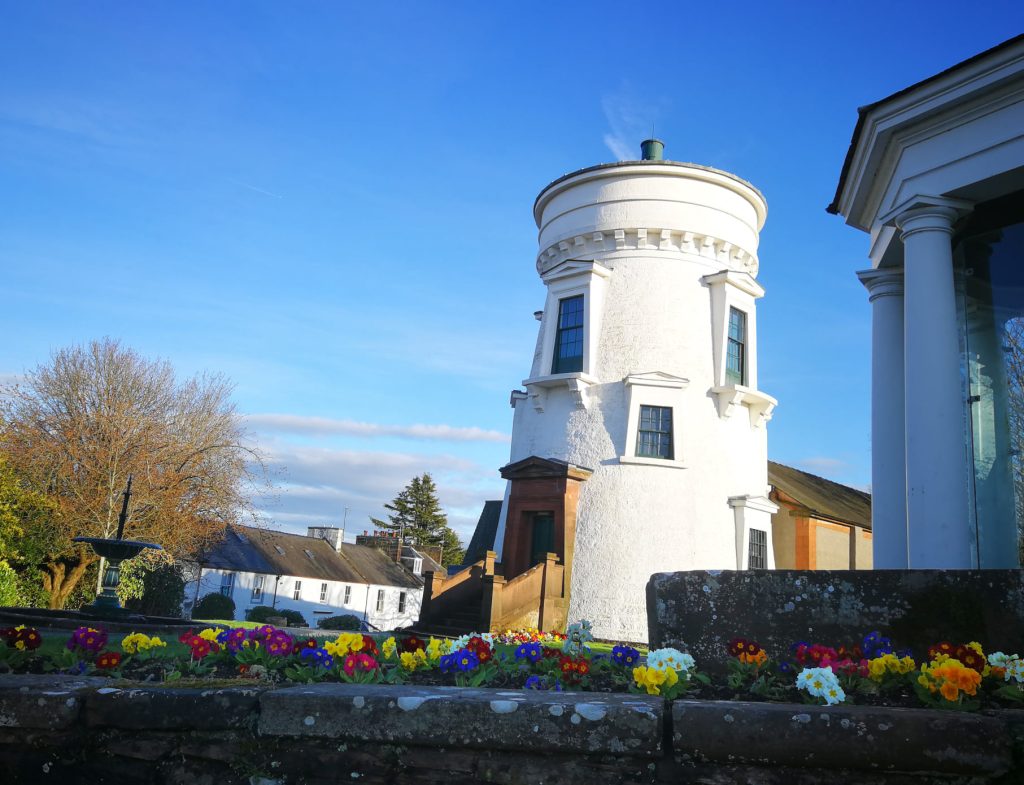
A treasure trove of history relating to all things Dumfries and Galloway, Dumfries Museum tells the story of the land and people of the region. Look out for fossil footprints left by prehistoric animals, the wildlife of the Solway, tools and weapons of our earliest people, stone carvings by Scotland’s first Christians, and the everyday things of the Victorian farm, workshop, and home. The museum also hosts a lively programme of special exhibitions, events and family activities throughout the year. Alongside the main museum is the Camera Obscura (pictured), an observatory dating from 1836 installed in an older windmill, and offering panoramic views of Dumfries and the surrounding countryside. Entry to the museum is free, with a small charge (weather permitting) for the Camera Obscura.

Robert Burns House (Dumfries)
This house, constructed in the red sandstone synonymous with Dumfriesshire, was home to Robert Burns during the final years of the poet’s life until his death in 1796, aged thirty seven. It is now a place of pilgrimage for devotees of the Bard from around the world. Within, the museum shows us how he and his family lived. Open throughout the year (check seasonal opening hours via the link), admission free.
Dumfries Aviation Museum
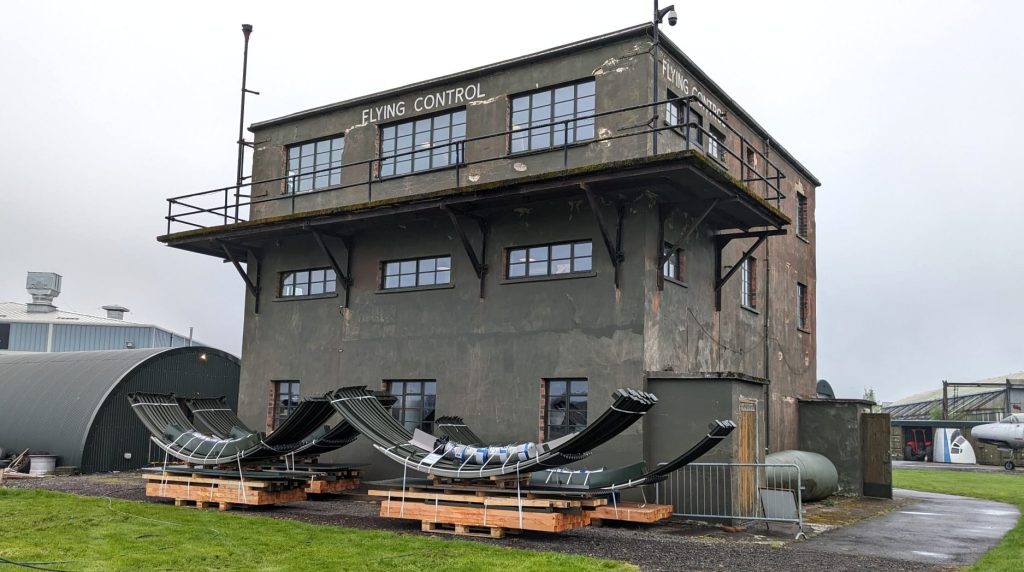
On the northern outskirts of Dumfries, on the site of the former WW2 RAF Dumfries airfield, this highly-acclaimed visitor attraction is centred around a museum contained in the original control tower (pictured) plus boasts an extensive collection of aircraft – including a Battle of Britain Spitfire. Café and gift shop. Seasonal opening hours (consult website via link), admission charge.

The Devil’s Porridge Museum (Eastriggs, nr Annan)
Discover the fascinating story of the ‘Greatest Munitions Factory on Earth’, and the everyday yet remarkable lives of the Munitions Girls (some 12,000 of 30,000 employees) who worked in the various factories around here – a vast complex which stretched out over almost ten miles – during World War One. The museum exhibitions extend to cover the Second World War and Cold War eras, exploring topics such as evacuees sent to stay in region, RAF Annan, the Gretna bombing, and the nation’s first nuclear power station at nearby Chapelcross. Opened Monday to Saturday throughout the year (check website for seasonal closures), café and gift shop, admission charge.
Stranraer Museum
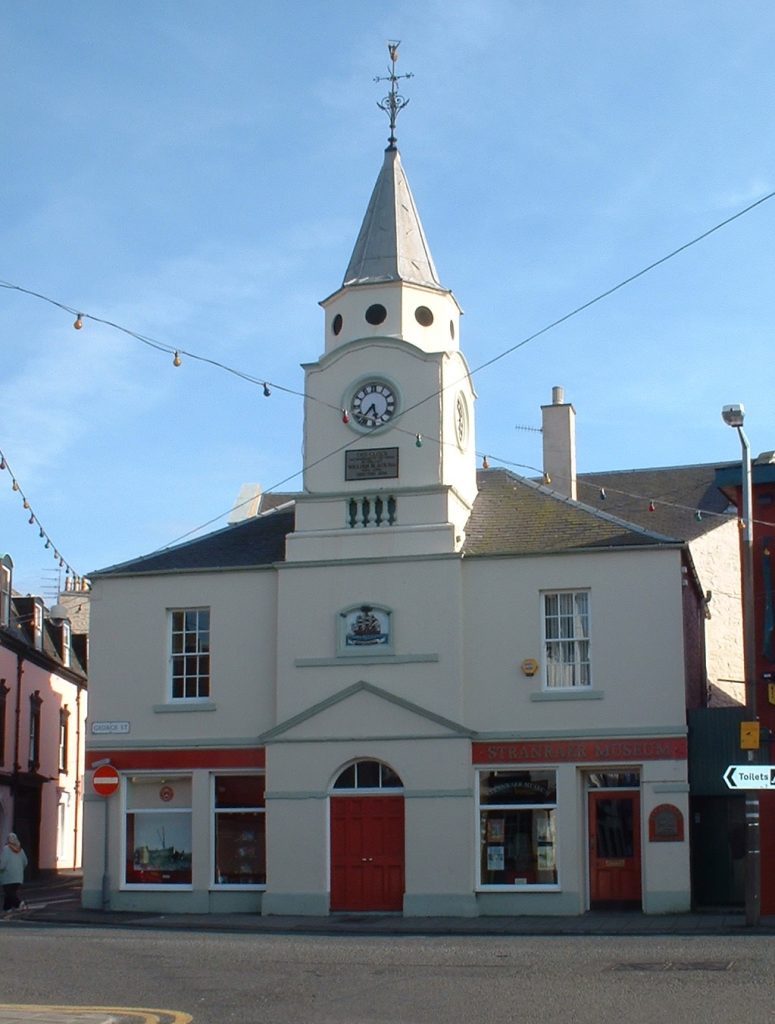
Housed within Stranraer’s elegant Georgian old town hall, enter and explore Wigtownshire’s rich past. Discover all about this part of Galloway during the Second World War, and in earlier times, or simply enjoy the range of historic objects on display. With various displays featuring topics such as archaeology, county history, farming, and local Artic explorers, Stranraer Museum is well worth a visit. Open throughout the year (seasonal variations – check website link), admission free.
Newton Stewart Museum
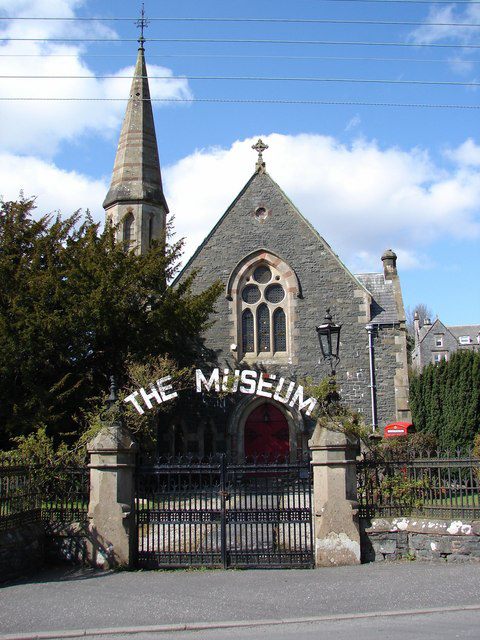
Housed in a former Victorian-era church, the museum, a volunteer-run registered charitable trust, contains a collection of over 10,000 items, nearly all of which have been donated by local people. Outside are larger exhibits, several connected with farming. The main indoor space, where rows of pews would have once sat in front of a pulpit, organ and communion table, is now divided into different sections – nursery, tools, kitchen, blacksmith, and still more. Rooms to the rear of the building, previously the session room and minister’s vestry, contain costume displays and many smaller personal items and toys. In the gallery upstairs is an archive of original Galloway Gazette newspapers, documents, slides, maps, pictures and a schoolroom exhibition. Small museum shop, modest admission charge. Open 31 March to 31 October.
Dalbeattie Museum
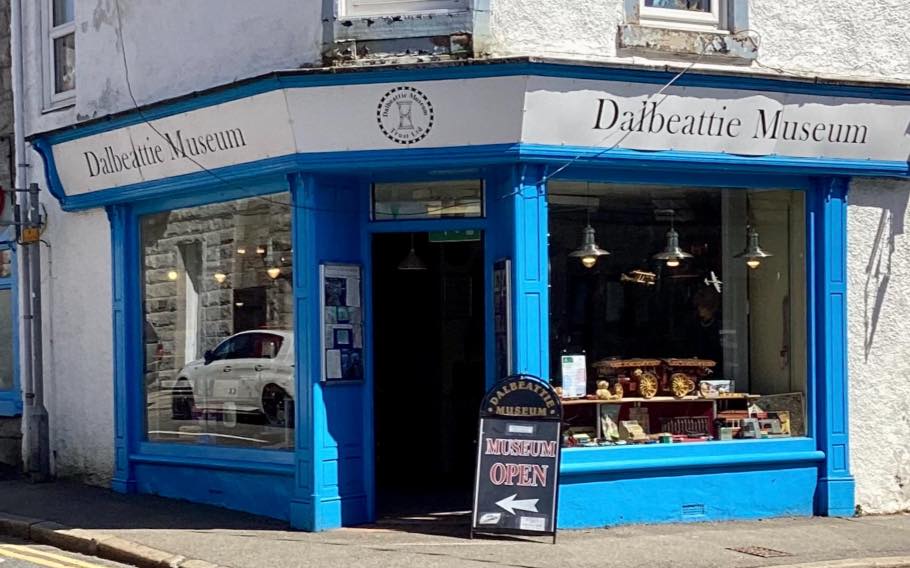
The volunteer-operated Dalbeattie Museum is housed within a renovated 1800s grocer’s shop, and contains a vast collection of 1800s and 1900s memorabilia, spread across five rooms on two levels. It displays not only items and artifacts of Dalbeattie’s history, but also much of interest relating to the wider social history of this part of Galloway. The town’s links to the Titanic are highlighted, as are its connections with the famous Dalbeattie Granite quarrying industry. Open April to October, admission free.

Annan Museum
Another family-friendly museum, one home to a permanent exhibition on the history of Annan and the surrounding area. An absorbing journey through time takes visitors from the prehistoric period up to the nuclear era. Displays include costumes, First World War memorabilia, town regalia, an audiovisual presentation of the Roman siege of the nearby Burnswark native hillfort, and a remarkable collection of paintings depicting Annan and the Solway shore. Look out for a 4000 year old Bronze Age burial urn, mummified baby crocodiles, and the 110 year old piece of chocolate! Children’s events during the summer holidays. Open from 1 April, admission free.
The Stewartry Museum (Kirkcudbright)
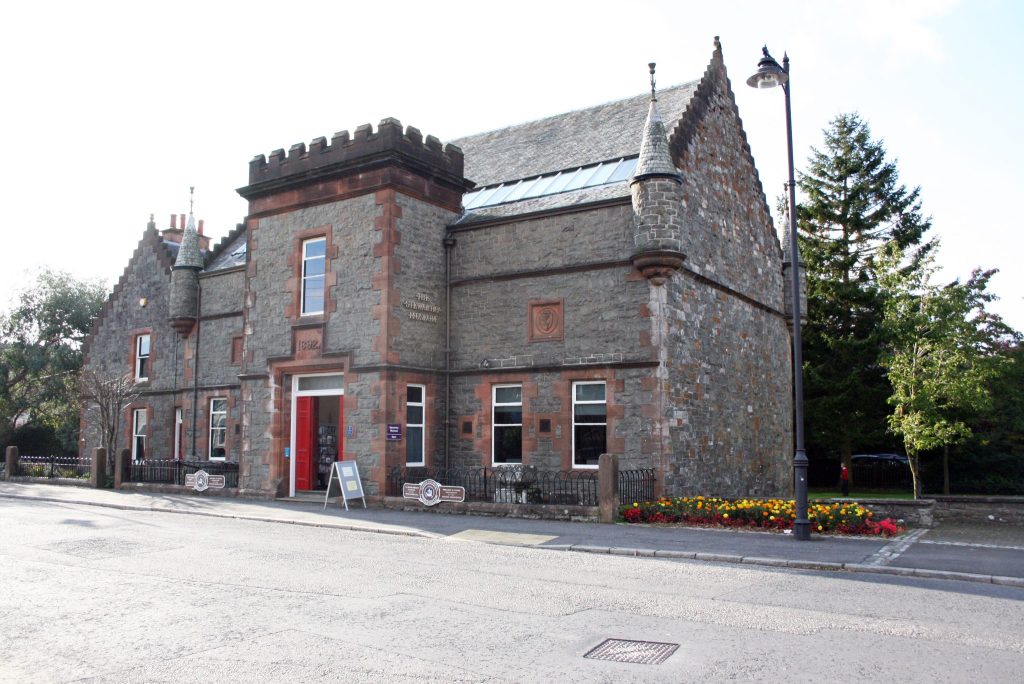
The Stewartry Museum was founded in 1879, at first occupying part of the Kirkcudbright Town Hall. As the collection grew, the present purpose-built museum was planned and opened in 1893. The Museum has an old-world charm, and exhibits a wealth of objects relating to the county known as The Stewartry of Kirkcudbrightshire. The Stewartry Museum also holds an impressive local history library and archive collection, plus an extensive photographic archive. All of these resources can be accessed when visiting. A temporary exhibitions programme and a selection of children’s trails run throughout the year. Special event days take place during the holidays. Open all year round (check website for hours), admission free.

Museum of Lead Mining (Wanlockhead)
Situated marginally beyond the Dumfries and Galloway boundary, here visitors can explore treasures including a real eighteenth-century lead mine set deep in the hillside, and experience the thrill of going underground. Make your way along village paths to the two miners’ cottages, and see how the miners really lived before exploring the second oldest subscription Library in Europe, one that has recently gained Recognition status as being a collection of National Significance. Enter the Visitor Centre to discover a fascinating display of rocks, minerals, gold, mining and local artefacts. For the more adventurous, purchase a gold panning certificate and search for the precious metal in the surrounding Lowther Hills – where gold panning has been popular for centuries. Café and gift shop. Normally open April to the end of September (check website), admission charge.
Robert Burns’ Ellisland Farm (near Dumfries)
Here, in a tranquil spot near the River Nith, Robert Burns constructed a home for his wife Jean Armour and their children, and created some of the most iconic works in world literature – including Auld Lang Syne, Tam o Shanter, and My Heart’s in the Highlands. The only house he ever designed and built, Ellisland remains the most authentic and best-preserved. Set in a landscape shaped by Burns’s own hand, it is the ideal place to see nature through the poet’s eyes. The collection at Ellisland has been built up over a century. It includes original manuscripts of poems and letters, plus precious items that belonged to the bard and his family. Open 4 April to 26 October (admission charge).


Moffat Museum
Moffat Museum offers visitors a vivid insight into the town’s past, from prehistory to the modern era. As well as unique objects, it hosts hands-on activities and changing temporary exhibitions. Entry is free and everyone is welcome. All ages will enjoy the authentic working model of the Moffat Railway, the Victorian Dolls’ House, and the Old Bakehouse. Upstairs, browse among all aspects of life in Moffat, including its story as a Spa town, famous people, farming, the Moffat Clan, and local churches. Open 3 April to 29 September, admission free.
Broughton House & Garden (Kirkcudbright)
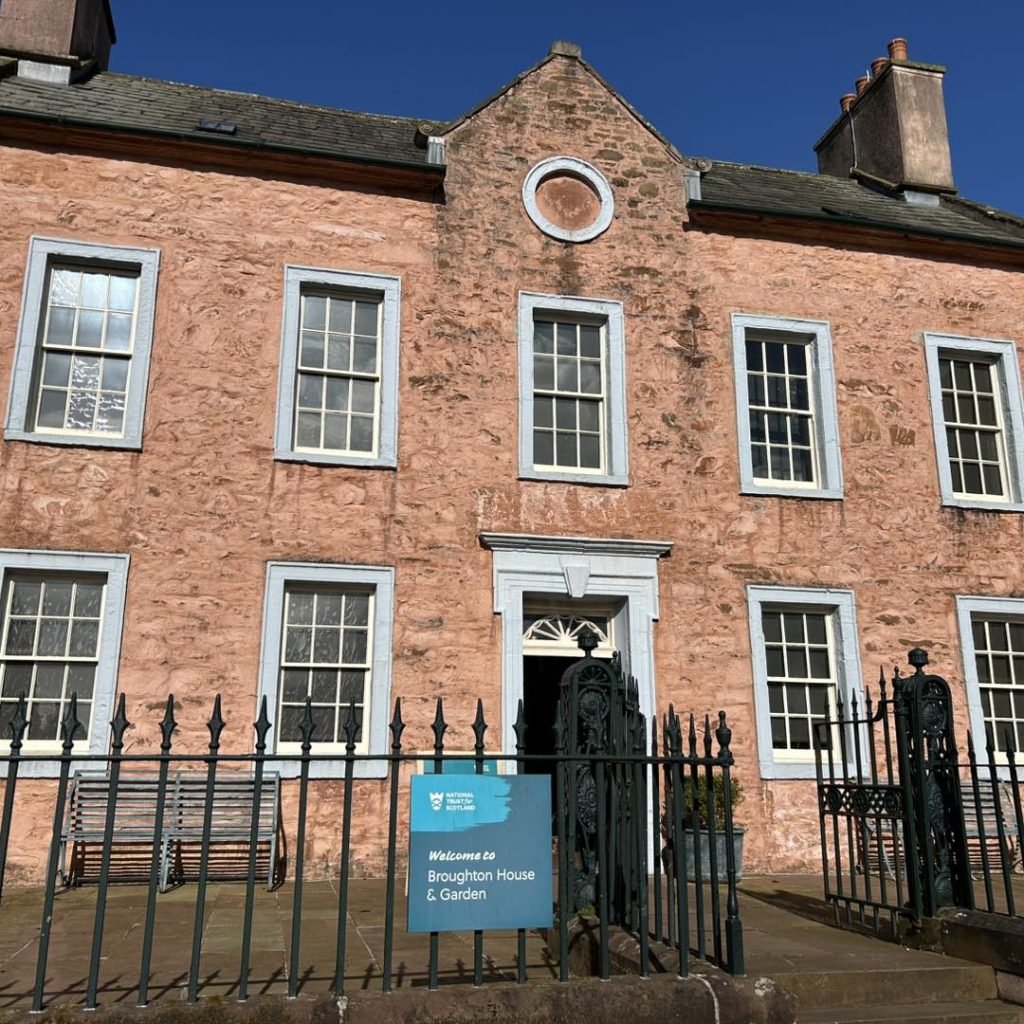
Broughton House & Garden stands in the heart of Kirkcudbright, a historic town and artists’ colony on the Galloway coast. This impressive museum, combining both original interiors and exhibition spaces, is dedicated to E A Hornel’s life and work as an artist and antiquarian. Hornel was a colourist with an eye for sensual detail – many of his works hang in the house alongside those of his contemporaries. He was also an avid collector: his vast library and archive – regularly used by visiting scholars – includes one of the world’s largest collections of works by Robert Burns as well as rare documents on Galloway’s rich history. Outside, Hornel and his sister designed a beautiful garden, with sweeping views over Kirkcudbright harbour and the River Dee. This mature garden is now a gentle labyrinth of stepping stones, wisteria-covered paths and Edwardian charm. Broughton House & Garden is maintained by the National Trust for Scotland, admission charge, open April to October. (text and image credit: NTS).
John Paul Jones Museum (Arbigland, Kirkbean)
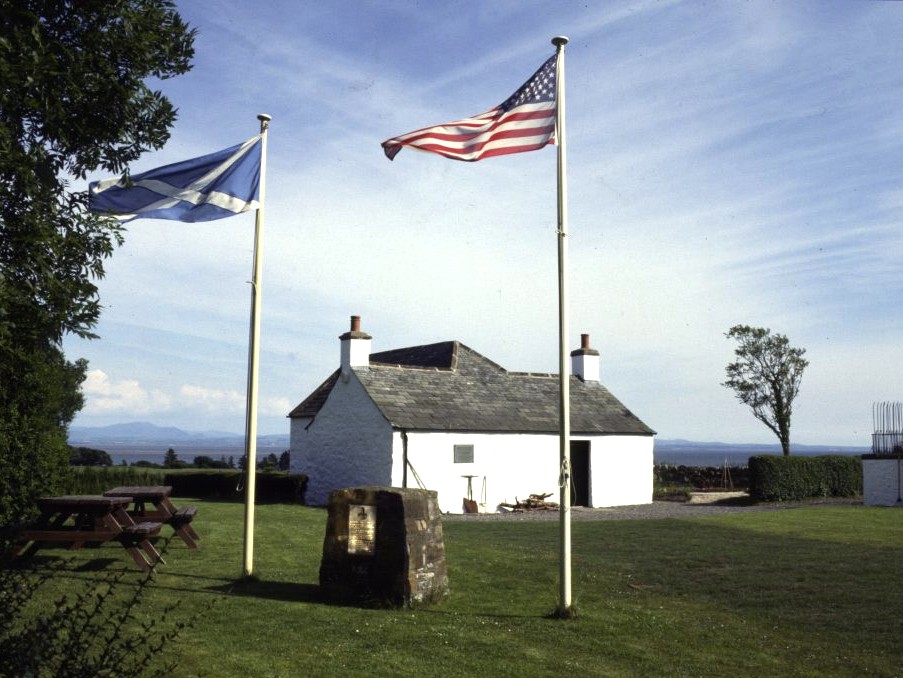
John Paul Jones is renowned throughout the world as the ‘Father of the American Navy’. Son of a gardener at the nearby mansion of Arbigland House, he was born in this humble cottage in 1747, in time enjoying a controversial career at sea before eventually fleeing to Virginia. During the American War of Independence he supported the colonists against British rule, and would soon gain a reputation as one of the greatest naval officers in history. The restored cottage, museum, and visitor centre tell the story of this remarkable local man. One mile away stands the magnificent Arbigland House and Gardens, which can also be visited (admission charges apply).