
Robert Burns
St Michael’s Church & Burns’ Mausoleum
The oldest church in the royal burgh of Dumfries, with a history going back over 1000 years, the present building on the site however dates from the mid-eighteenth century. The surrounding graveyard is a veritable mine of historical information of both regional and national significance. Via the information board mounted on a sandstone pedestal, follow the ‘Blue Plaque’ trail around the funerary monuments of over forty local contemporaries of Burns, people now at rest beneath the soil. Above all, enter the mausoleum of the world-renowned poet. Guided tours of the graveyard are available from April to September. The church is open daily during the same months, with Sunday morning services held throughout the year.


Around Dumfries in Burns’ Footsteps
During the spring and summer months Dumfries Museum organises Burns walking tours around the town, led by expert guides such as Gerry (times are advertised on the museum’s Facebook page – or contact the museum direct). Otherwise, explore in and around the High Street at your leisure in viewing the Burns Monument (pictured), Burns first home in Dumfries at the bottom of Bank Street, the statue to his wife Jean Armour with child opposite St Michael’s church, plus other locations. Visit, and sample the hospitality of, the Globe Inn – Burns’ favoured ‘Howff’. Trail download available via the link below. During January of each year, the town hosts the ‘Big Burns Supper’ event. (image credit: Tommy Wright).
Robert Burns Centre & Film Centre (Dumfries)
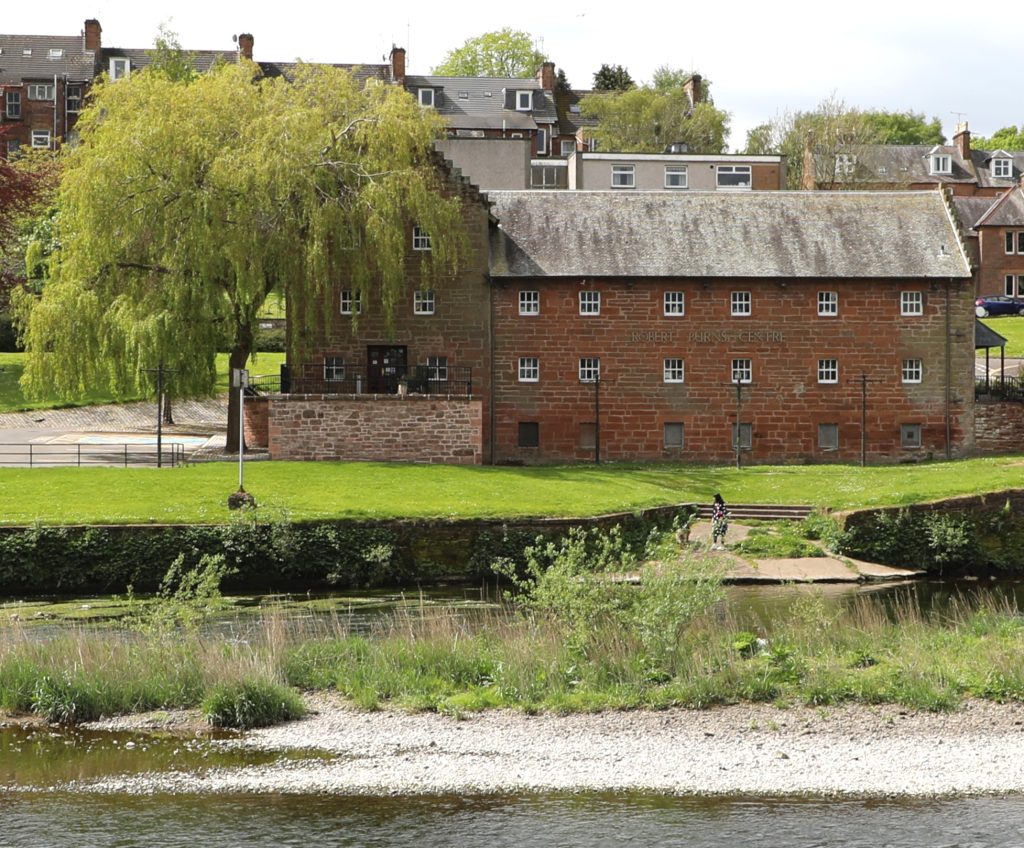
On the River Nith, housed in an eighteenth-century mill – formerly powered by water from the still-existing ‘Caul’ – with which Burns would have been more than familiar, today the building hosts an exhibition on the poet’s years in Dumfries, plus contains the small (69-seat) Robert Burns Centre Film Theatre (RBCFT). Open all year (see link for exact hours), café and ‘Bonnie Bistro’ restaurant, admission free.
Ellisland Farm Museum (near Dumfries)
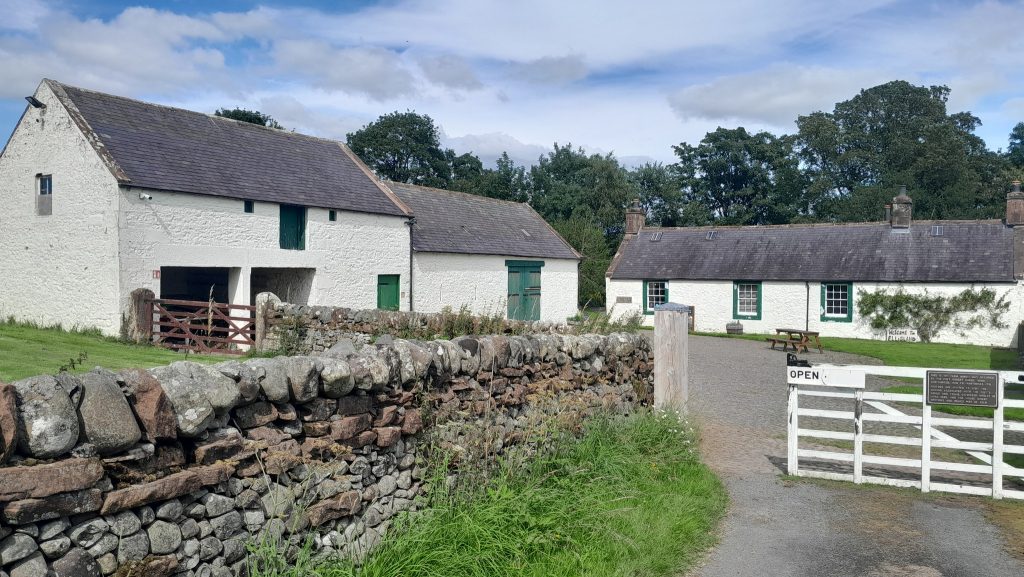
Here, in a tranquil spot near the River Nith, Robert Burns constructed a home for his wife Jean Armour and their children, and created some of the most iconic works in world literature – including Auld Lang Syne, Tam o’ Shanter, and My Heart’s in the Highlands. The only house he ever designed and built, Ellisland remains the most authentic and best-preserved. Set in a landscape shaped by Burns’s own hand, it is the ideal place to see nature through the poet’s eyes. The collection at Ellisland has been built up over a century. It includes original manuscripts of poems and letters, plus precious items that belonged to the bard and his family. Open 4 April to 26 October, admission charge.
Brow Well (near Dumfries)
At the hamlet of Brow, near the banks of the River Nith around 10 miles south east of Dumfries, the chalybeate spring of the Brow Well was famed for the alleged healing properties of its waters. Burns came here on occasions, seeking a cure during the illness that ultimately led to his death, and resided at the since long-demolished Brow Inn. The well was landscaped in recent times, including being furnished with steps leading down to the spring (which has now all but dried up), a plaque, and information board. Limited parking on rough ground to well rear (from where a walk is signposted along the Solway coast towards Ruthwell).

Burns House Museum
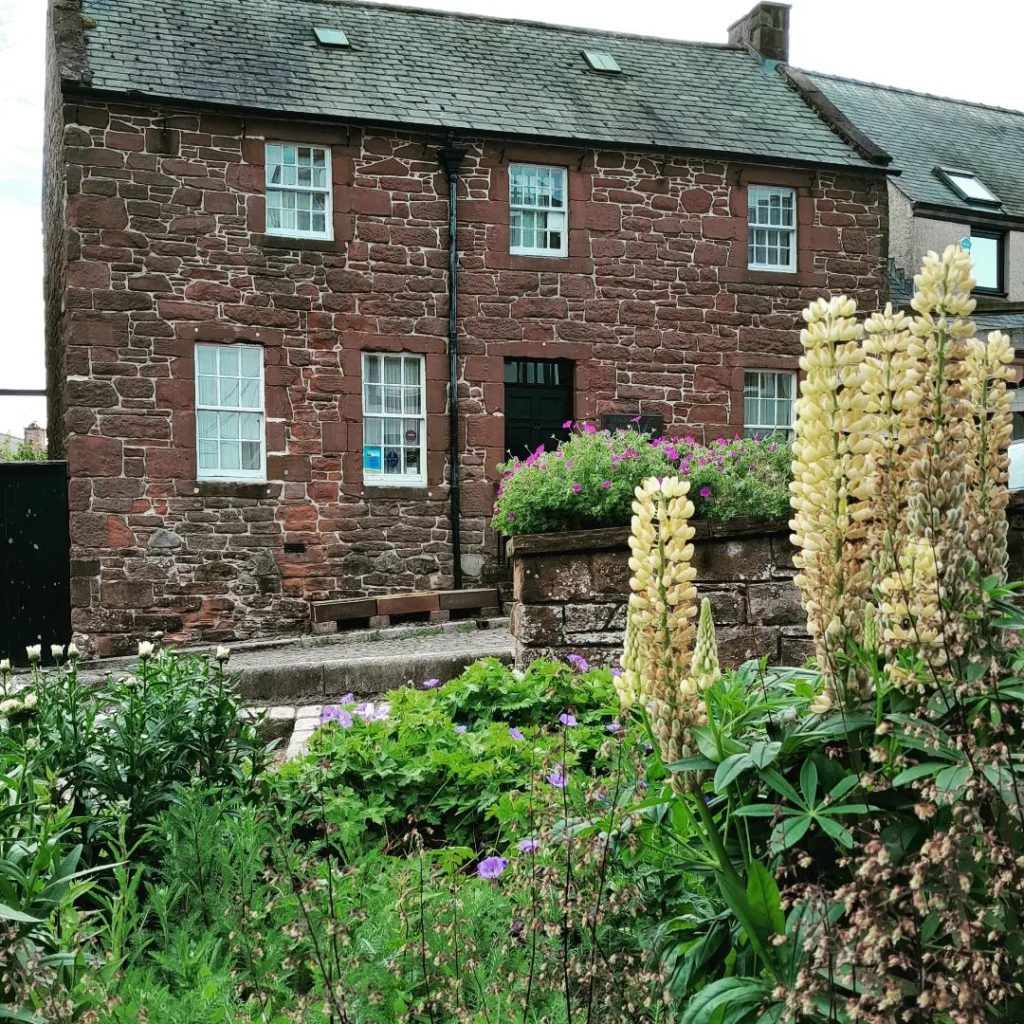
This house on the eponymous Burns Street, constructed in the red sandstone so typical of Dumfriesshire, was home to Robert Burns during the final years of the poet’s life until his passing in 1796, aged thirty seven. It is now a place of pilgrimage for devotees of the Bard from around the world. Within, the museum shows us how he and his family lived. Open throughout the year (check seasonal opening hours via the link), admission free. (image credit: Burns House Museum)