Annandale – Places to Visit
Lochmaben
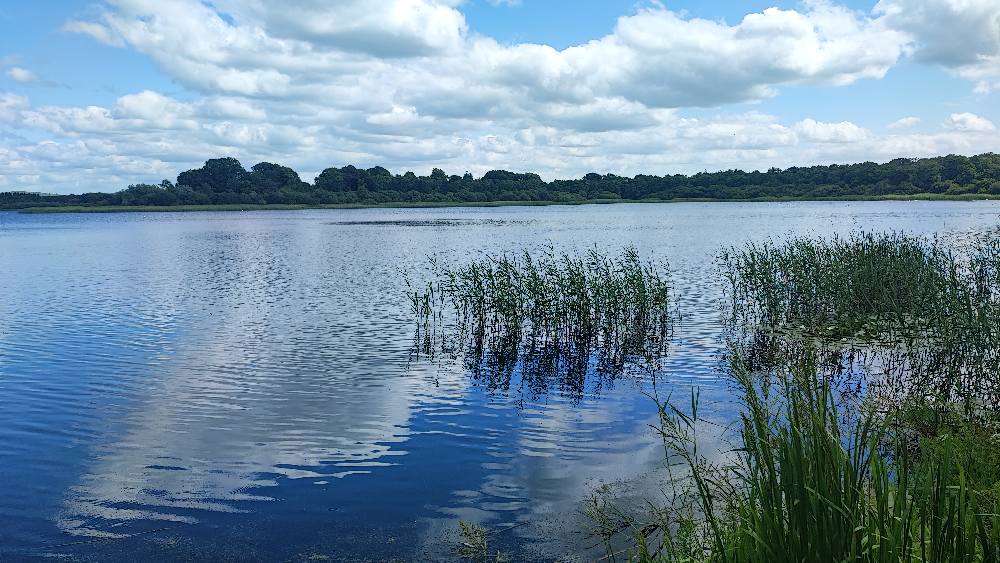
Visit the town where the ancestors of King Robert the Bruce – hero of the Wars of Scottish Independence and victor of Bannockburn (1314)– first settled in Scotland in the early-twelfth century. Their original castle is now represented by a huge mound within the golf course. But on following a pleasant circular walk around Castle Loch, you will encounter the imposing ruins of the ‘second’ Lochmaben Castle (see: Castles in our History and Heritage page) – frequently fought over during centuries of Anglo-Scottish and civil war. (image: Castle Loch walk).
Torthorwald
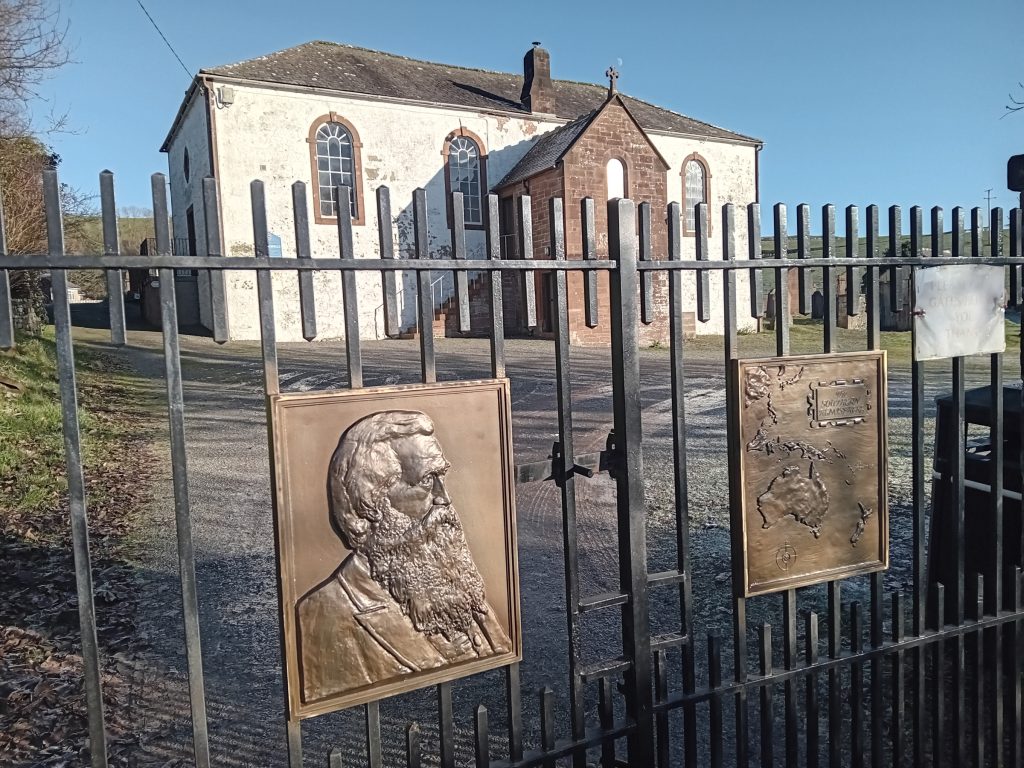
A few miles east of Dumfries, on the road to Lochmaben and Lockerbie, stop off at the village of Torthorwald. A veritable heritage time capsule, this former burgh of barony contains the ruins of a medieval castle, a historic church and graveyard (pictured) and the near-unique Cruck Cottage – a traditional type of Scottish dwelling house which has been restored and serves as a museum and cultural centre.
Annan
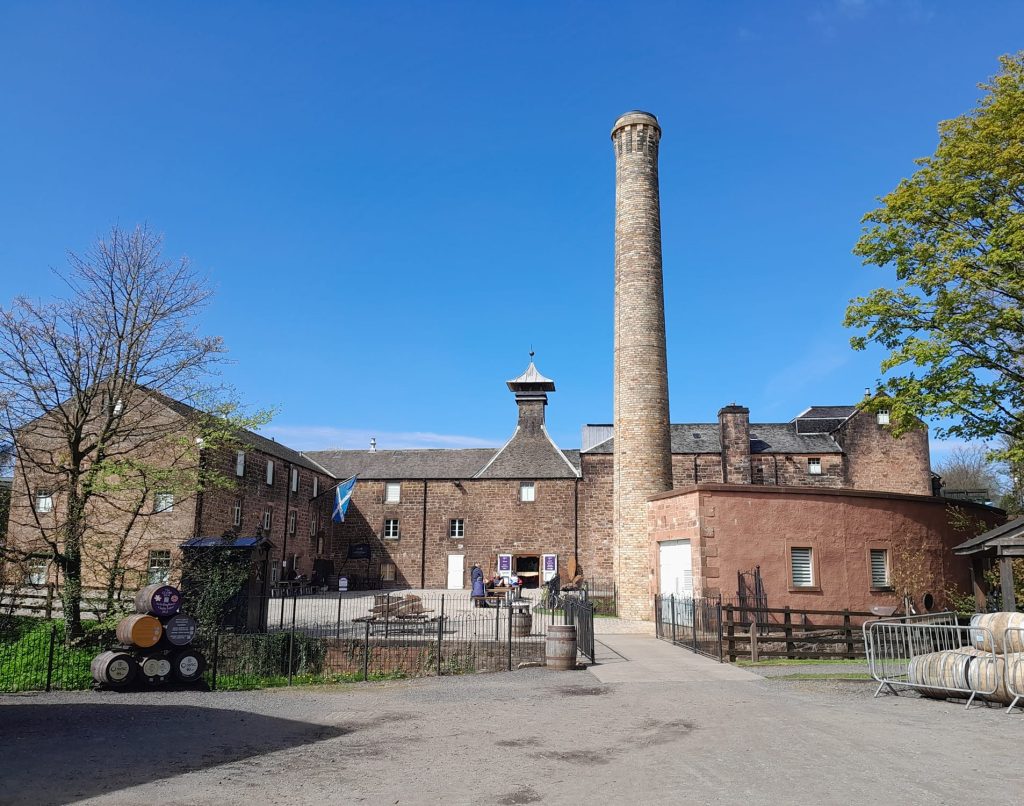
Like Lochmaben, Annan shares in the history of the dynasty of Robert the Bruce. Here the twelfth-century fortress erected by Robert the Bruce first ‘Lord of Annandale’ was abandoned due to flooding and erosion of the castle mound – which nonetheless remains as a significant landmark beside the River Annan. In later centuries the town developed as a port, and has retained much of its built heritage relating to this period. Being situated at the southern end of the Annandale Way, there are fine walks south to the coast and north towards Hoddom and beyond. Visit Annan Museum (admission free), and take a ‘tasting tour’ at Annandale Distillery – the latter opened in 1836 and producing single cask, single malt, whisky.

The Devil’s Porridge Museum (near Annan)
Discover the fascinating story of the ‘Greatest Munitions Factory on Earth’, including that of the everyday yet remarkable lives of the Munitions Girls (some 12,000 of 30,000 employees) who worked in the various factories around here – a vast complex which stretched out over almost ten miles – during World War One. The museum exhibitions extend to cover the Second World War and Cold War eras, exploring topics such as evacuees sent to stay in region, RAF Annan, the Gretna bombing, and the nation’s first nuclear power station at nearby Chapelcross. Opened Monday to Saturday throughout the year (check website for seasonal closures), café and gift shop, admission charge.
Lockerbie
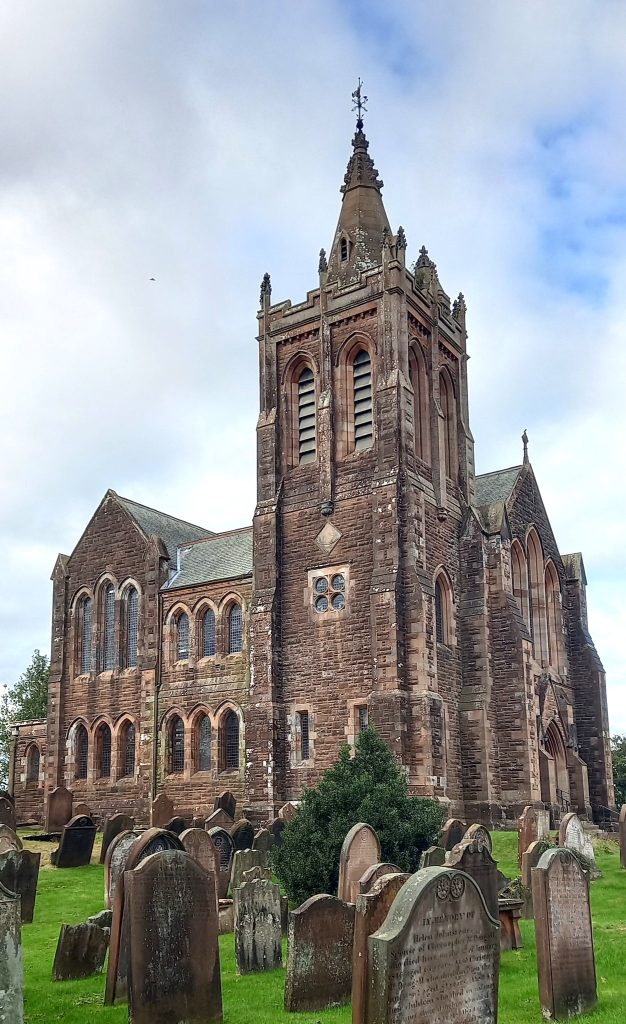
Lockerbie as we see it today is in essence another eighteenth-century planned town which in time acquired fame as a railway junction. Sadly, Lockerbie is also known internationally as the scene of the Pan AM Flight 103 disaster. Memorials to this tragedy are situated locally at the Memorial Gardens, at Tundergarth Church, and in the town centre itself – while the former parish church (pictured) is currently being refurbished as a forthcoming museum featuring the story of the fated flight amidst a wider one on local history. Lockerbie is also a good base to explore the ‘Prehistoric Trail’ in the vicinity of Eskdalemuir. With the eastern variant of the Annandale Way passing close by, good walking options exist to both south and north.
Gretna Green – ‘Gateway to Scotland’
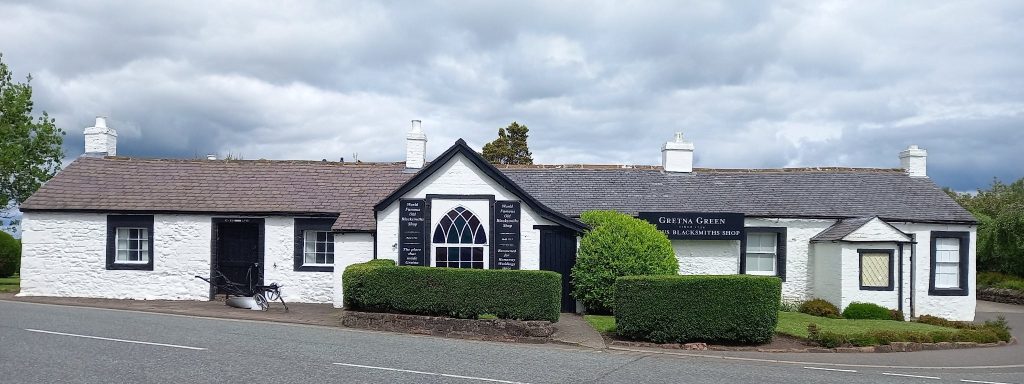
Situated immediately over the Border from England, Gretna Green acquired fame (or infamy!) as Britain’s Georgian-era ‘clandestine marriage capital’ uniting in the main young English lovers – due primarily to more relaxed Scottish laws regarding age, parental permission, and what were in effect civil ceremonies. Discover this story and more at the ‘Gretna Gateway’, centred around the ‘Blacksmiths Shop’ (pictured) where thousands of couples have tied the knot since 1754 – and continue to do so on an ongoing basis to this day. Other historic sites in the vicinity are the old parish church and graveyard, Gretna Hall, and Bonnie Prince Charlie’s Cottage. All of these can be viewed in a walk from the Gateway centre down to the bridge ‘over to England’ at the River Sark – from where a signposted walk leads along the Solway shore. A practical guide to the latter comprises the first part of the walk link below..

Moffat
A historic and pretty Spa Town near the top of the Annandale Valley, Moffat is rich and cultural and built heritage, and offers fantastic walking opportunities in the surrounding hills – not least the ‘Devil’s Beef Tub’ – plus to the south along the course of the Annandale Way. It is the ideal place to spend a day (or several days as a base to explore farther afield) and is well served by shops plus food and drink establishments. The town also frequently hosts a Walking Festival over the September Weekend.
Walking Days Out
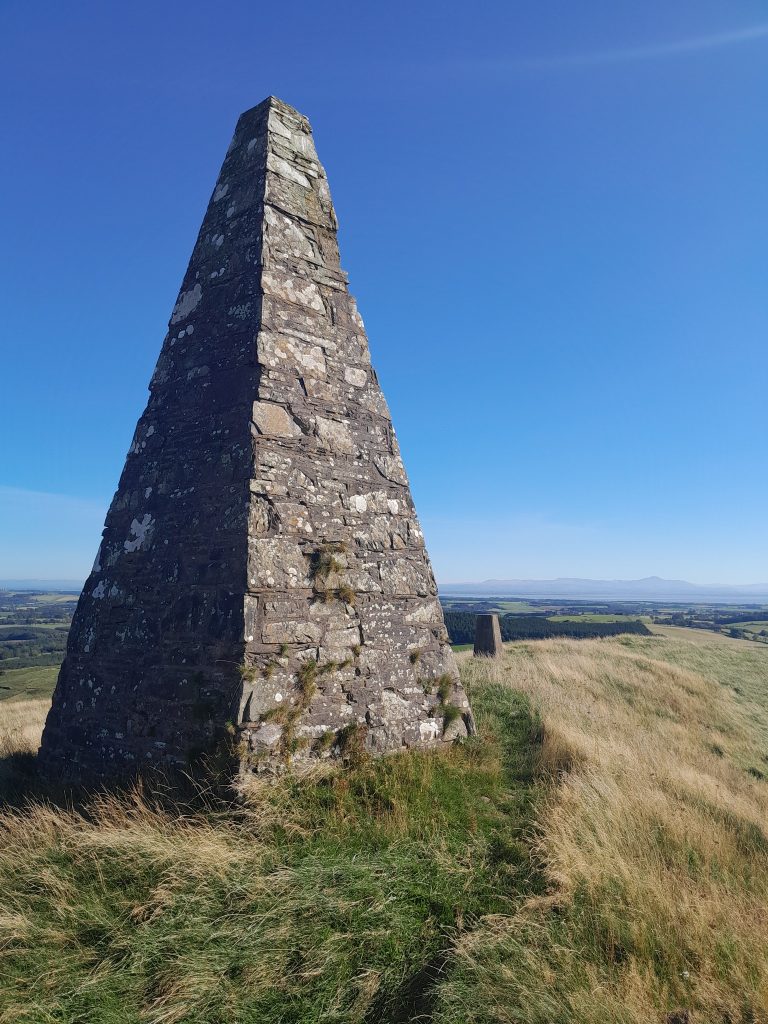
While places to visit and walks along the Annandale Way (and the entire route) have been covered in other of our sections, such is the potential for enjoyable days out along sections of this long-distance trail that we feature it again here. A return trek along a single section, from a parking place in one of villages en route, is often the most viable option – as bus services connecting these (and your point of departure on foot) are rarely direct. One of many such treks commences near the village of Dalton, then after a mile or so of minor roads enters an area of upland moors. The Way passes ancient hillforts and the Joe Graham Monument on Almagill Hill (pictured) – from where on a clear day you will be rewarded by stunning views from the Devil’s Beef Tub north of Moffat to the Lake District across the Solway.
Hoddom
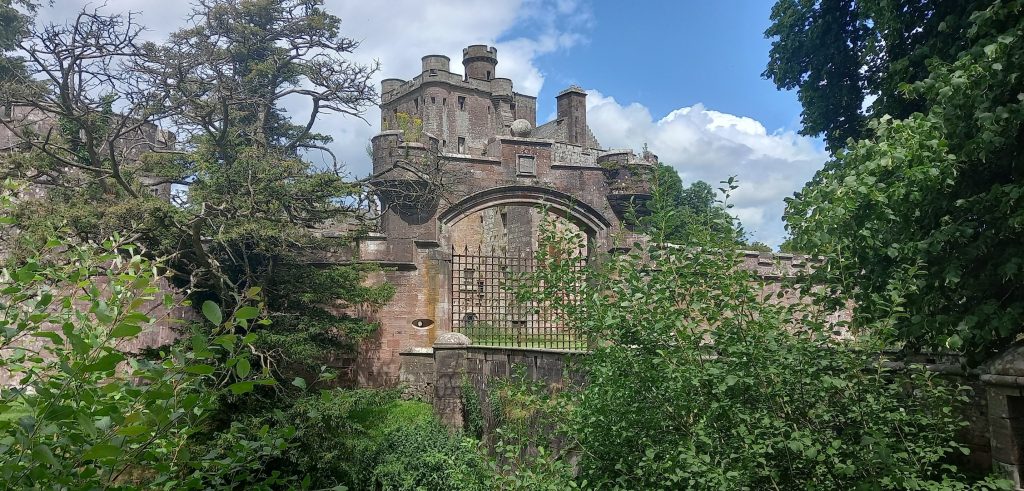
Easily reached from Dumfries, Annan, and Lockerbie, the estate of Hoddom – now the location of a holiday park – offers a concentration of historic sites which can be viewed as part of scenic walks. Inspect the huge Hoddom Castle (pictured – exterior only) and its nearby hilltop watchtower of ‘Repentance Tower’, plus the ancient church site and graveyard at Old Hoddom, this is enjoying a riverside and woodland stroll – with the uphill trek to Repentance Tower offering (on a clear day) impressive views in every direction.
Ancient Sites
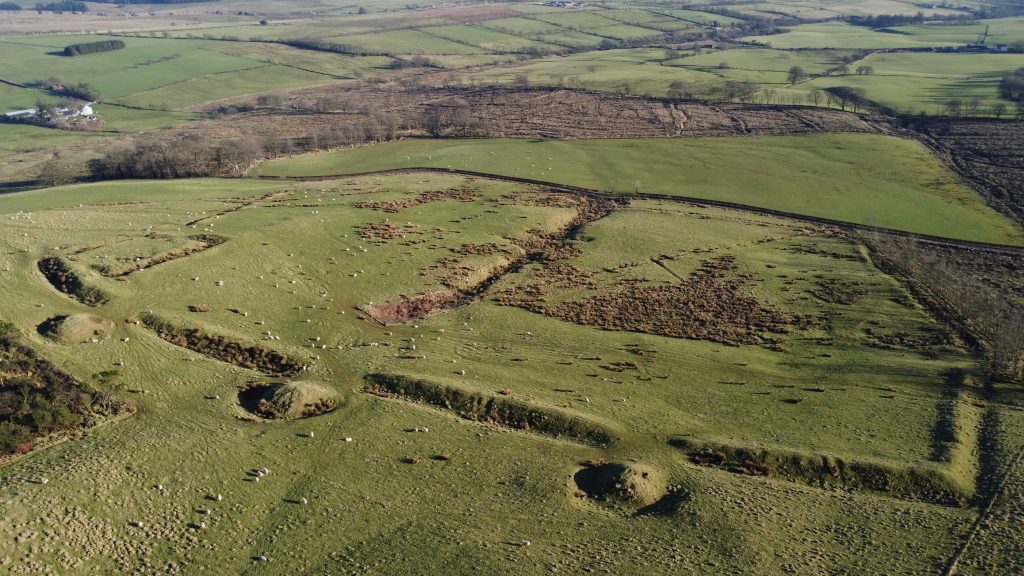
Annandale and Eskdale (see our separate section) are home to a large number of ancient hillforts and related settlements. The vast majority are situated on farmland, their modern-day inhabitants taking the form of grazing sheep. Several can be combined in the Eskdale ‘Prehistoric Trail’, with others of note including the huge Burnswark near Ecclefechan, where you will also find the earthworks of a Roman siege (or ‘training’) camp (pictured). A section of the Annandale Way between Dalton and Rammerscales passes a further two hillforts at Moss Castle and Range Castle. At Gretna, you will find an Iron Age defensive settlement at the unusual location of the M74 Services.