Nithsdale – Places to Visit
Caerlaverock Castle
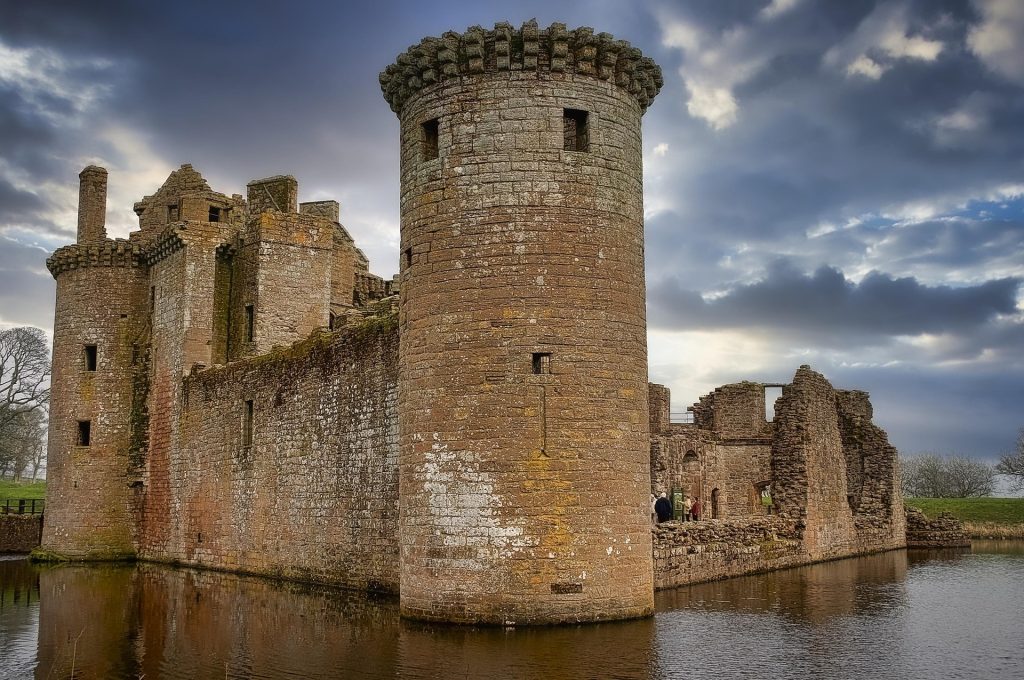
This moated and uniquely-shaped triangular medieval fortress was the principal seat of the mighty Maxwell family from the thirteenth to the seventeenth century. Over the course of that time, it was the scene of epic sieges relating to Anglo-Scottish and civil wars – the last of which resulted in its present ruined condition. Within its courtyard is the remarkable Renaissance Nithsdale Lodging, built in the 1630s by Robert Maxwell, 1st Earl of Nithsdale. Around the castle are earthworks representing the 1640 civil war siege, while in woods a short distance away (nearer the Solway) are traces of a predecessor castle (the ‘first’ Caerlaverock). Historic Environment Scotland maintain the site, which is open throughout the year (admission charge).
Scenic Walks in Nithsdale
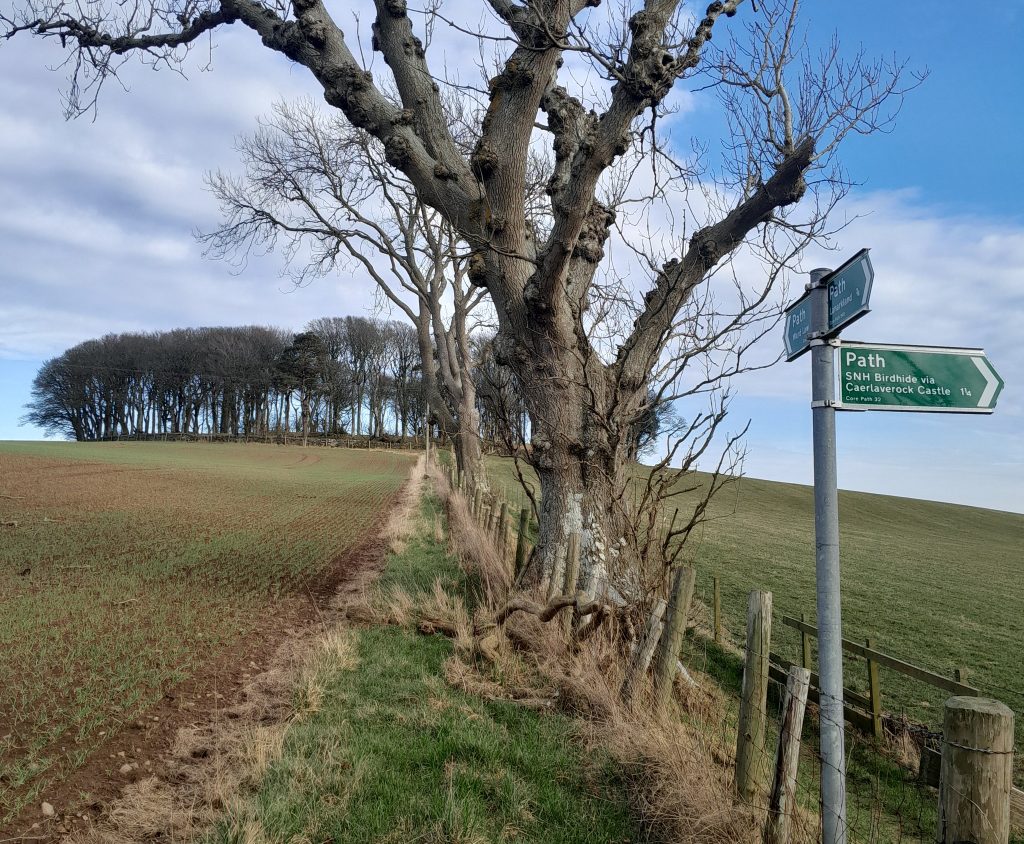
In addition to the designated Core Paths, there are dozens of further walks throughout Nithsdale (as there are across the region) often maintained by community and/or voluntary groups. That pictured, for example, can be commenced at Caerlaverock, where one of the interesting places encountered is the tree-lined Wardlaw hillfort. From here you will be rewarded with fine views across the Solway to Criffel and the Lake District (and conveniently find a picnic table with benches and information board). A cluster of pleasant walks are located around the towns of Thornhill and Sanquhar, with others to be found near villages like Duncow and Dalswinton. From Dumfries, follow a path along the Nith Estuary to Glencaple pier (with café and restaurant) then return on foot or by bus. Alternatively, do the trail in the opposite direction. See links below for but a few walking ideas.
Robert Burns Ellisland Farm Museum
Here, in a tranquil spot near the River Nith, Robert Burns constructed a home for his wife Jean Armour and their children, and created some of the most iconic works in world literature – including Auld Lang Syne, Tam o Shanter, and My Heart’s in the Highlands. The only house he ever designed and built, Ellisland remains the most authentic and best-preserved. Set in a landscape shaped by Burns’s own hand, it is the ideal place to see nature through the poet’s eyes. The collection at Ellisland has been built up over a century. It includes original manuscripts of poems and letters, plus precious items that belonged to the bard and his family. Open 4 April to 26 October (admission charge).


Closeburn: historic time capsule
A few miles south of Thornhill, just off the A76 Dumfries road, the old hamlet of Closeburn offers a concentration of interesting historic sites: the old parish kirk and kirkyard alongside the Victorian-era church replacement; the famous Wallace Hall Academy founded in the 1720s; the scant ruins of Closeburn Hall; and the huge towerhouse of Closeburn Castle (pictured). The latter is the home of the Kirkpatricks of Closeburn, who first settled here in the thirteenth century, and with its ‘Escape Rooms’ can be visited by arrangement (admission charge).
Thornhill and environs
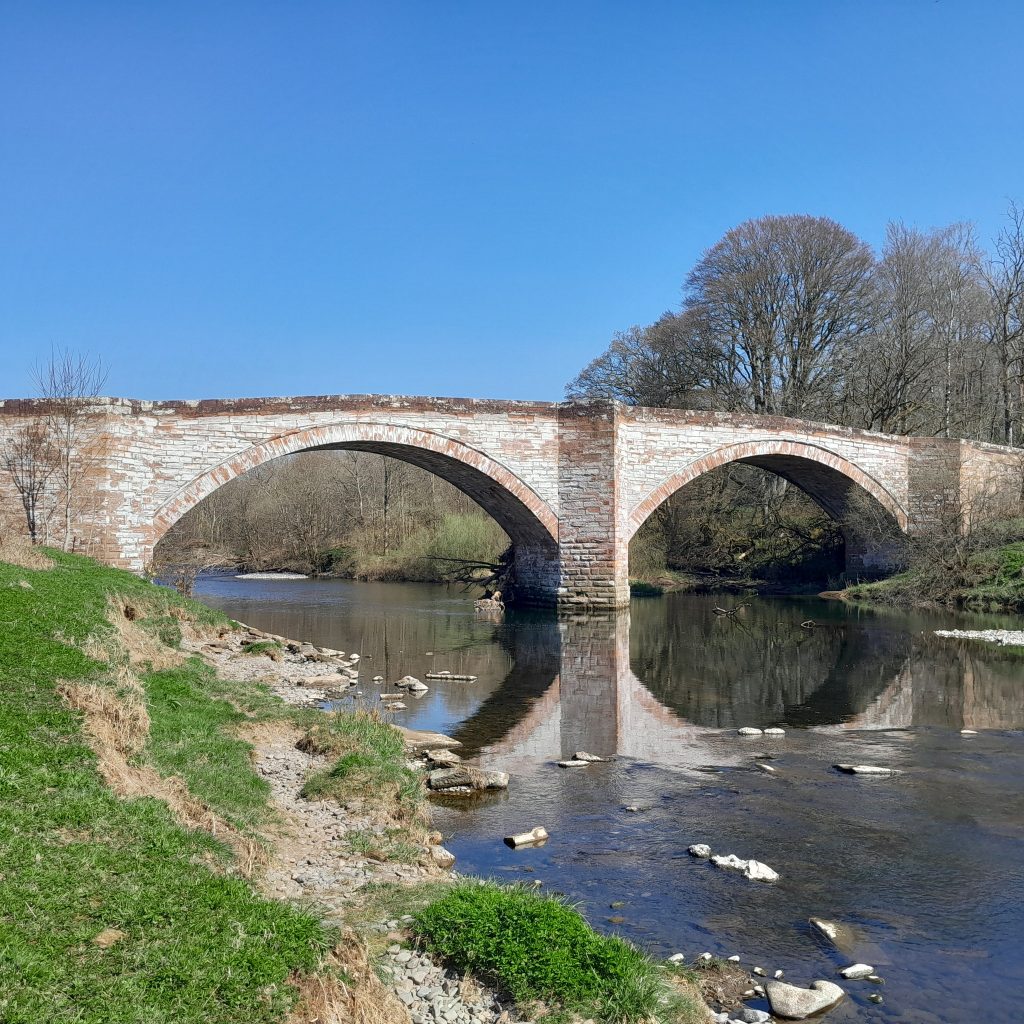
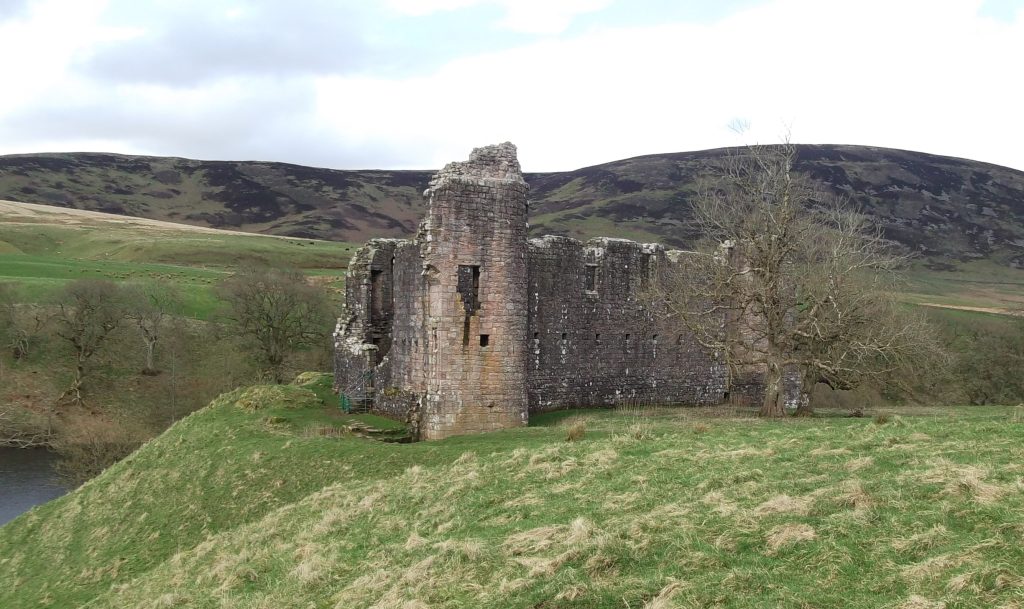
As seen today the picturesque Thornhill represents yet another Georgian-era planned village, but the history of the vicinity goes much much further. In recent centuries this has been dominated by the nearby presence of Drumlanrig Castle, which can be visited along with its gardens within a vast estate containing Roman and medieval earthworks, and replete with paths for pleasant strolls. A few miles west of the village lie the romantic lochside ruins of Morton Castle, with a number of old churches and their graveyards situated in the hinterland on all sides. Of note are those at Durisdeer, ‘Old’ Morton, and further south just off the main A76 road (linking Thornhill with Dumfries) at Closeburn. Thornhill is also an ideal base to explore the region in every direction, whether by car or public transport, with once more walk options plentiful. (image: the 18th century Nith Bridge, west of Thornhill).

Drumlanrig Castle and Estate
A current seat of the Duke and Duchess of Buccleuch and Queensberry, this seventeenth-century Renaissance ‘palace’ was built on the site of a previous castle, being another place in the region long associated with the Douglases. Situated in an idyllic location within the Drumlanrig estate, on the west bank of the River Nith north of Thornhill, and with 40 acres of adjoining gardens, the castle interior moreover boasts exquisitely-furnished rooms and an important art collection. Guided tours are available at set times from April to December (admission charge) – with free access to the estate, which includes several walk options, available 365 days of the year. Cafés, parking, and adventure playground on site (seasonal opening).
Morton Castle (near Thornhill)
In a scenic and remote location, sited on a triangular spur of land, the exact chronology of this hall-house castle (with remains of a gatehouse and defensive towers protecting the level approach) is debated. It eventually came into the possession of the Douglases of Drumlanrig (see above: Drumlanrig Castle) and in 1588 was burned by the troops of King James VI engaged in putting down a rebellion in the south west. Another site maintained by Historic Environment Scotland, Morton Castle is free to visit any time of day, all year round.
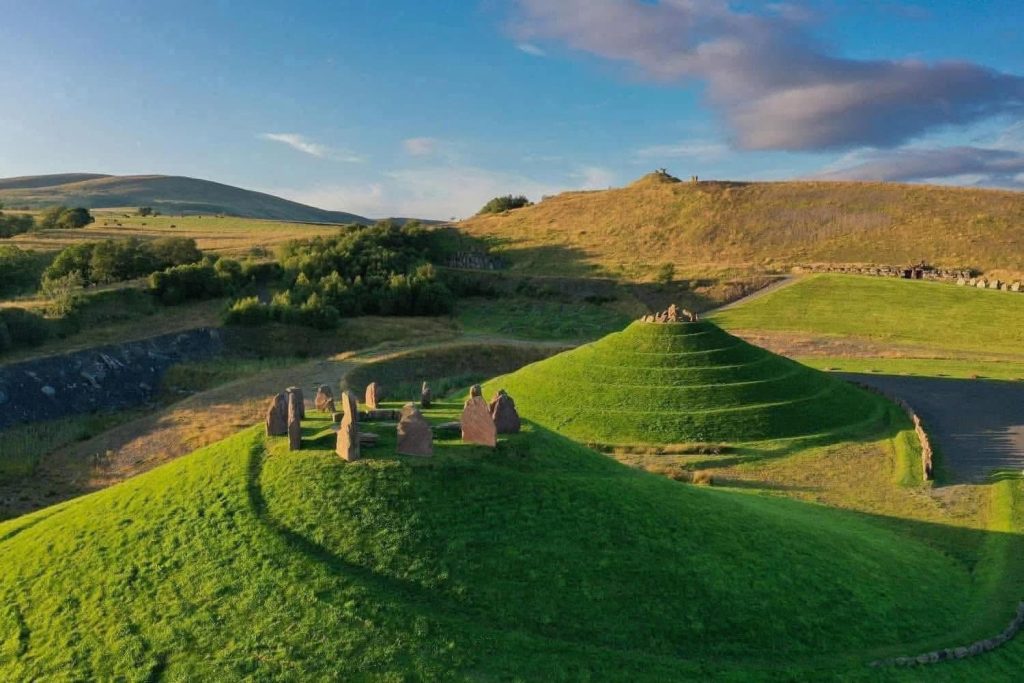
Crawick Multiverse (near Sanquhar)
Constructed on a site of important mining heritage, this extensive and quite astounding ‘land art installation’, spanning some 55 acres, caters to devotees of science, cosmology, art, history – or simply people wishing to explore its amazing landscape. Snack facilities, shop, toilets, and overnight campervan area on site. Open mid-March to early November (admission charge). Image credit: Crawick Multiverse.
Sanquhar and surrounds
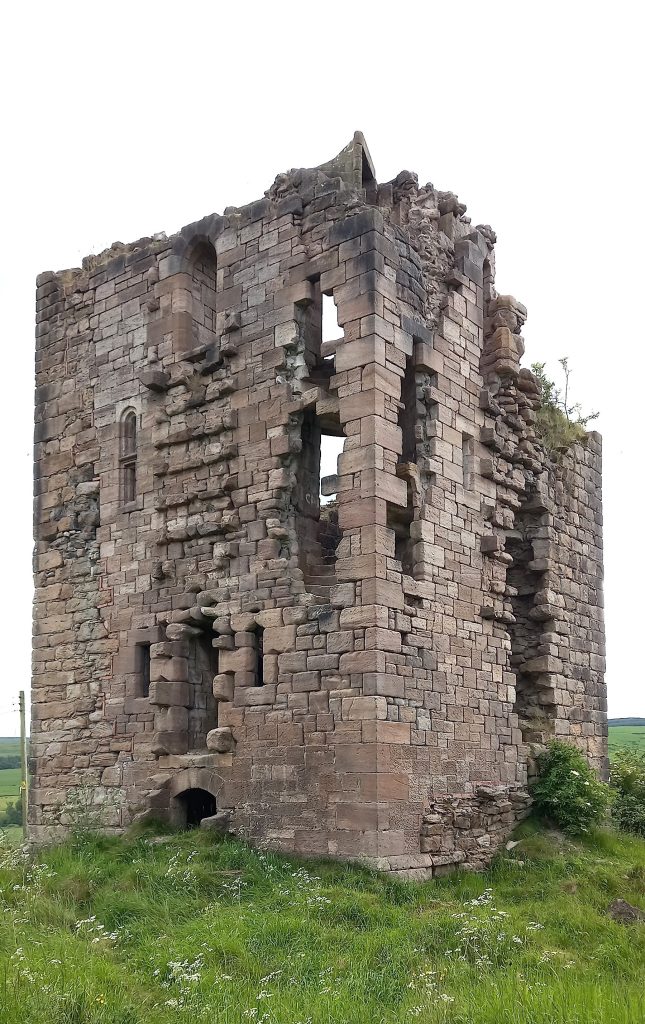
In the northern reaches of Upper Nithsdale, the royal burgh of Sanquhar played an at times tumultuous role in Scottish history – from the medieval period to the seventeenth-century era of the Covenanters. View the ruins of Sanquhar Castle from the route of the Southern Upland Way, visit the Tolbooth Museum, and enjoy fine walks. The remarkable Crawick Multiverse is only a few miles away, while a drive (or bus journey) west through the stunningly scenic Mennock Pass – which enters the bounds of South Lanarkshire – leads to the Museum of Lead Mining at Wanlockhead then the historic narrow-gauge railway between Wanlockhead and Leadhills (Sunday only). Image: ‘keep’ (central tower) of Sanquhar Castle.

Kirkconnel (near Sanquhar)
At the ‘top end’ of Upper Nithsdale, only a short distance south of the Ayrshire boundary, Kirkconnel has a long history, if in recent centuries best recalled for its role in the mining industry. The heritage society in the village is the ideal place to source local information, with meanwhile local walks including one leading to the historic Old St Connel’s Church. Sanquhar with its surrounding attractions is less than 4 miles away.
Museum of Lead Mining (Wanlockhead)
Situated marginally beyond the Dumfries and Galloway boundary, here visitors can explore treasures including a real eighteenth-century lead mine set deep in the hillside, and experience the thrill of going underground. Make your way along village paths to the two miners’ cottages, and see how the miners really lived before exploring the second oldest subscription Library in Europe, one that has recently gained Recognition status as being a collection of National Significance. Enter the Visitor Centre to discover a fascinating display of rocks, minerals, gold, mining and local artefacts. For the more adventurous, purchase a gold panning certificate and search for the precious metal in the surrounding Lowther Hills – where gold panning has been popular for centuries. Café and gift shop. Normally open April to the end of September (check website), admission charge.

Caerlaverock Wetland Centre (near Dumfries)
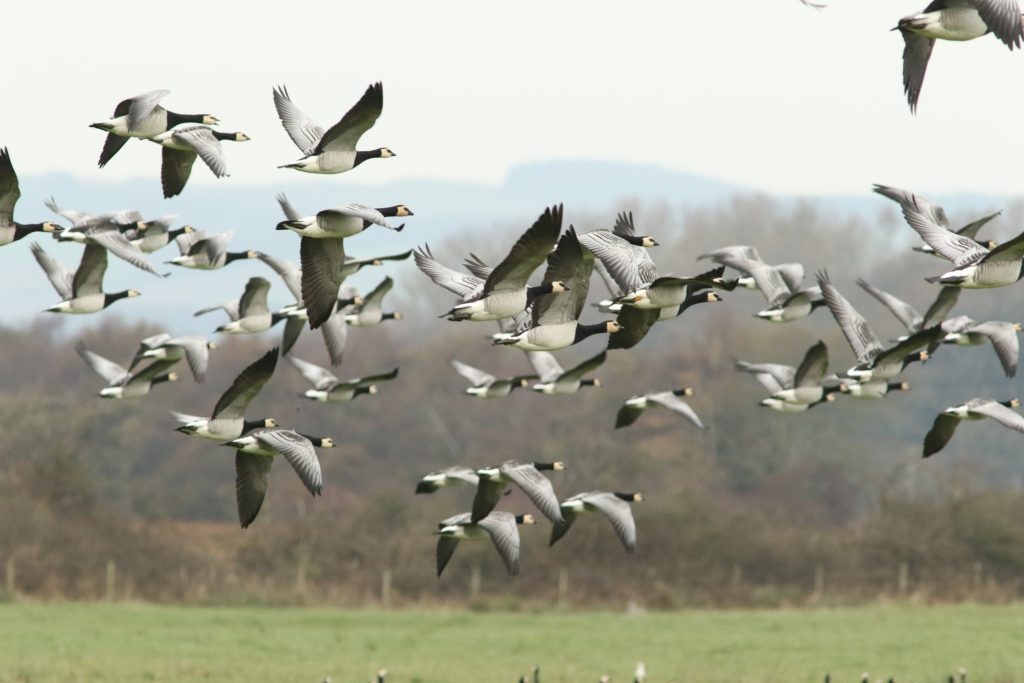
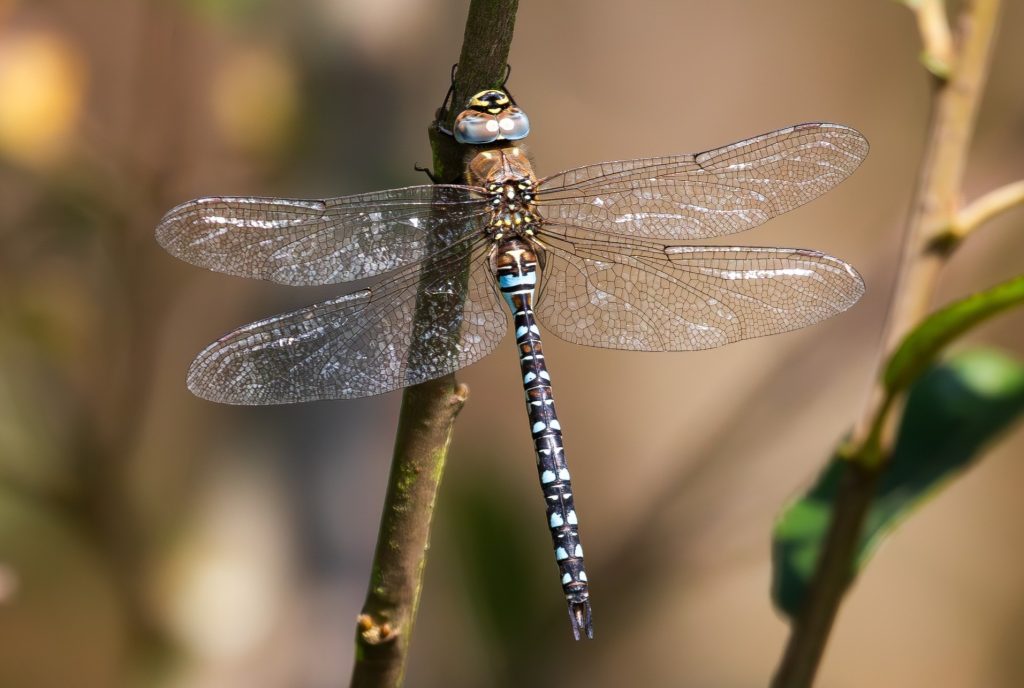
Caerlaverock Wetland Centre is a spectacular 1,400 acre wild reserve situated on the north Solway coast. The centre is deservedly famous for its vast flocks of over-wintering water birds, including around 40,000 barnacle geese from Arctic Svalbard and large numbers of pink-footed geese and whooper swans. Summer offers the opportunity to explore rolling wildflower meadows, watch ospreys hunting over the Solway and even spot barn owls and badgers. From the top of the three-storey tower, take in the best panoramic view over the whole vast site equivalent to 900 football pitches! The largest binoculars in Scotland allow you to see what is going on all over the reserve. Look down on the Folly Pond where hundreds of whooper swans roost overnight in winter. In summer, watch house martins dart into their nests clinging onto the tower eaves. Observatory, numerous hides, walks, wildlife garden – the reserve will reopen in spring 2026 (check website and Facebook links for visiting hours), admission charge. (text and dragonfly image credit: Caerlaverock Wetland Centre).
RSPB Mersehead (near Dumfries)
Situated on the scenic north shore of the Solway coast, Mersehead is an extensive wetland and saltmarsh area, a haven for breeding waders, wintering waterfowl and year-round bird and wildlife-watching. This reserve boasts a wide variety of different habitats and wildlife, from Barnacle Geese in the autumn and winter and Lapwings and Natterjacks Toads in the spring and summer. It’s a stunning example of freshwater wetland habitats, wide expanses of intertidal sand and mudflats, woodland, farmland and of course a fabulous beach. Admission free (car parking charge). Image and text credit: RSPB Mersehead.