Glenkens Heritage Trail.
The name ‘Glenkens’ derives from the river of the Water of Ken and the loch (Loch Ken) into which it flows, before becoming the winding River Dee as emerging into Kirkcudbright Bay. The Glenkens are rich in history, from prehistoric remains to a series of Art Deco-styled 1930s hydroelectric power stations.
A good starting point to begin an itinerary is Castle Douglas, heading north on the A713 along the eastern banks of the long water course, in passing some of the places described below: Greenlaw House (pictured), Crossmichael, Parton, Ken Bridge, St John’s Town of Dalry, etc. Pressing on further north will bring some of the power stations into view, then in returning south towards Castle Douglas (or Kirkcudbright) on the opposite side of the ‘glen’ (the western banks of river and loch) places to stop include Kells kirk & kirkyard, New Galloway, and Kenmure Castle.
There are walking options, notably along the scenic Water of Ken between New Galloway and St John’s Town of Dalry – with a good midway point being Ken Bridge. A car is not a necessity to explore this delightful part of the region, if with the eastern side of the route as described (along the A713) better served by public transport than its western (New Galloway) counterpart.

Greenlaw and Crossmichael
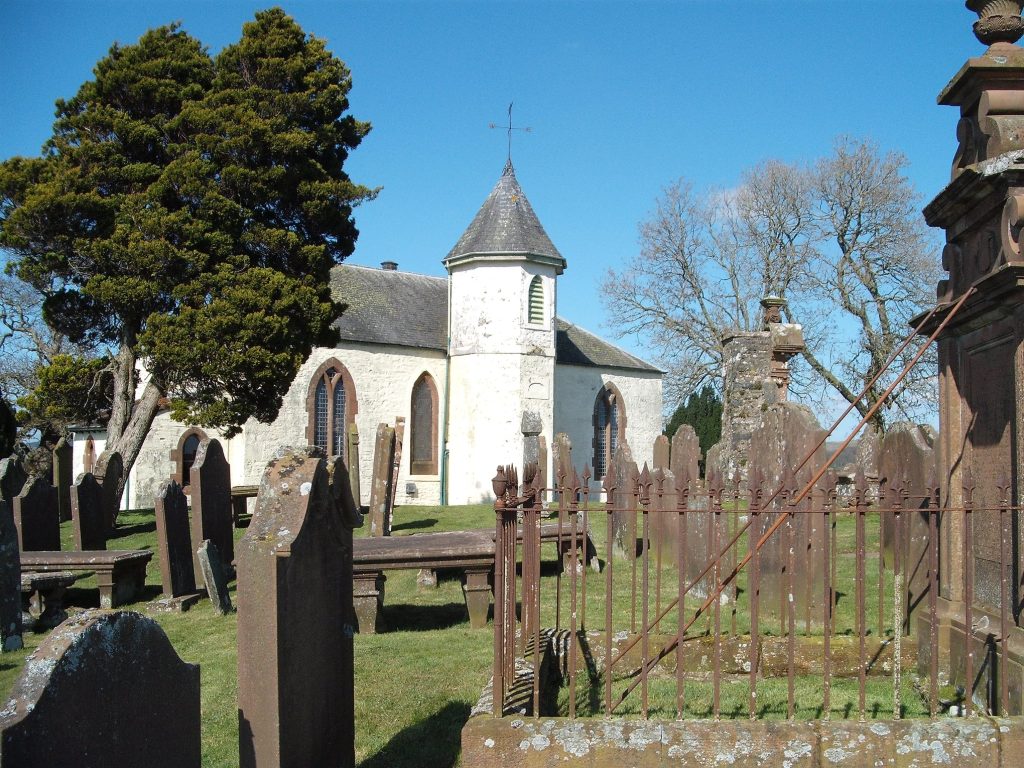
A few miles north of Castle Douglas, to the east of the road you will spot the eighteenth-century Greenlaw House, historic seat of the Gordons of Greenlaw (the house and its grounds are private). On arriving at Crossmichael, visit the historic graveyard surrounding the quaint old kirk with its unusual round tower, and inspect the Gordon of Greenlaw mausoleum. Across from the kirk, the Crossmichael Heritage Centre is open on Wednesday afternoons in the summer. (images below: Crossmichael kirk & kirkyard and Gordon mausoleum).


Parton
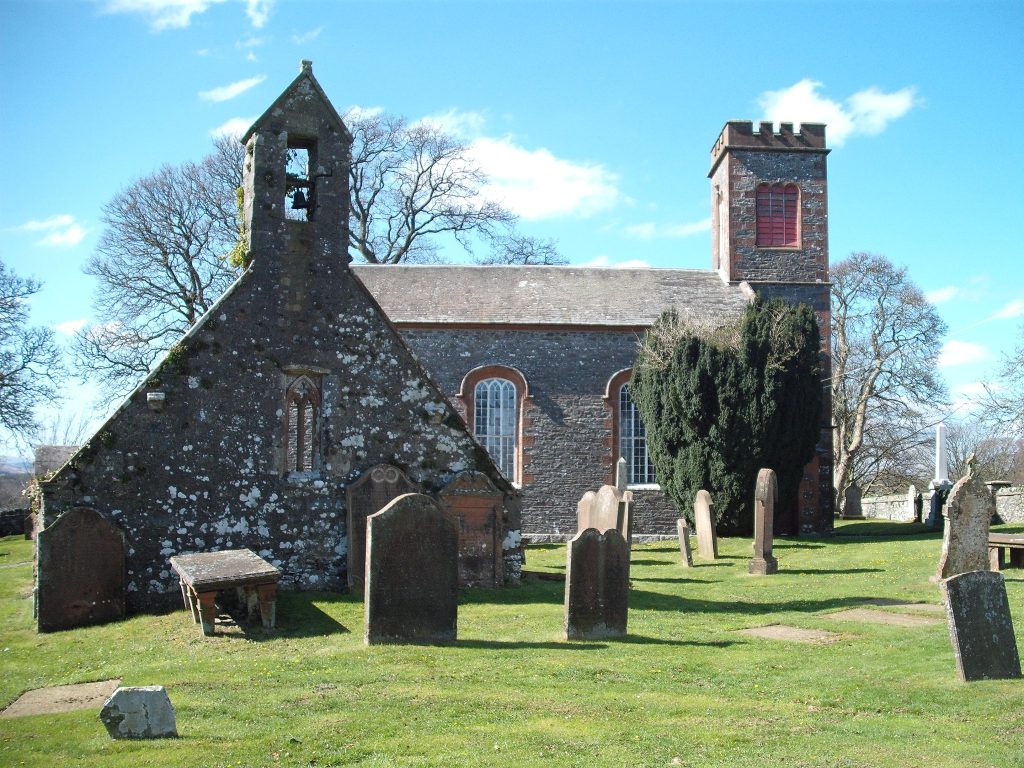
Next stop on the schedule is Parton, another old parish church and graveyard. Here the mausoleum (or burial enclosure) has been formed out of an older predecessor kirk, and marks the resting place of James Clerk Maxwell, ‘Scotland’s Einstein’, whose family home was at nearby Glenlair.

Ken Bridge
A further few miles on, beyond where the loch has transformed into the Water of Ken, you will arrive at the early-nineteenth century Ken Bridge, a fine structure built to replace a previous bridge washed away by floods. At this point there are walking alternatives, either a short distance across to New Galloway or some 5 miles north to St John’s Town of Dalry. The Kenbridge Hotel (& Campsite) – an old inn once known as the Spalding Arms – offers food and accomodation options.


Balmaclellan
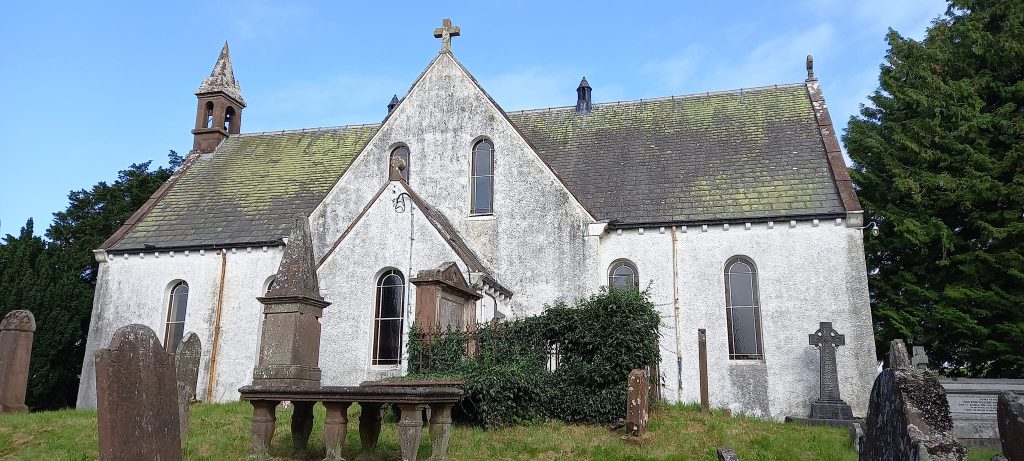
Just before Ken Bridge, the A712 road forking to the right leads to the charming village of Balmaclellan, with its old kirk and kirkyard, statue of ‘Old Mortality’, and hilltop castle site (a ‘motte’). Whether by returning to the main (A713) road or by taking something of a winding inland route from Balmaclellan, proceed to St John’s Town of Dalry.
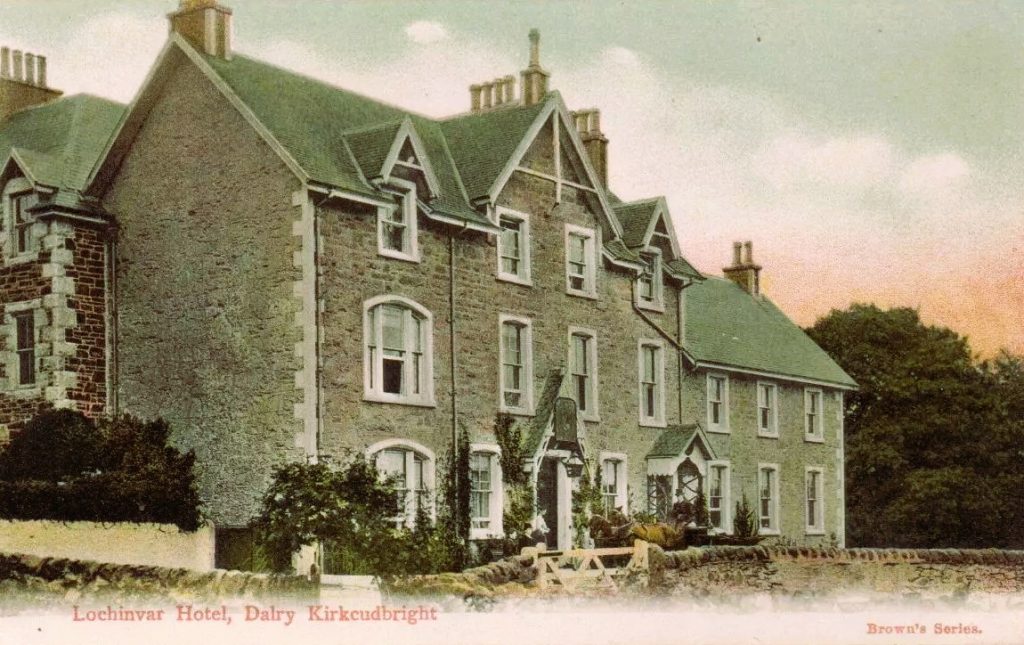
St John’s Town of Dalry
At the entry to the ‘town’ (classed as a village) stands the imposing Lochinvar Hotel, originally a coaching inn but with the present c.1850 building dating from the era that the Glenkens enjoyed as a popular holiday destination – a scenario helped by the opening of the railway line (now a ‘lost line’, portions of it can still be explored).


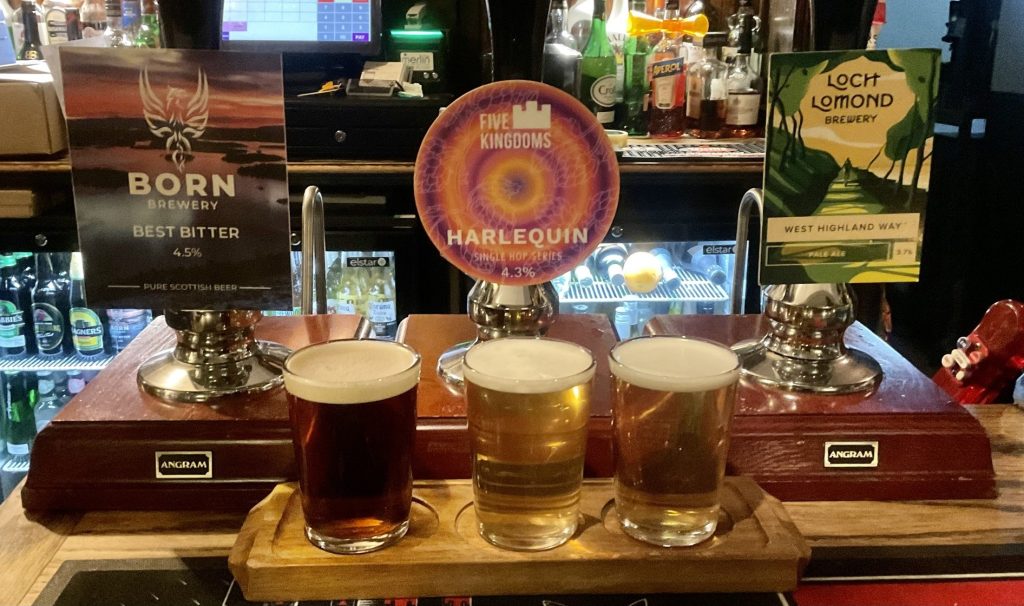
The old kirk, with fine views across the valley, is a particularly good specimen of a Georgian parish church. Its graveyard contains impressive memorials to notable local families, including another Gordon (this time ‘of Kenmure’) mausoleum, or ‘aisle’, again as at Parton one formed out of the older kirk. Walk around the village, observing the stylish little town hall, the picturesque Main Street, and perhaps enjoy a bite to eat and/or a libation in the highly-reputed old Clachan Inn. Cross the suspension-footbridge over the Water of Ken, either to walk south in the direction of New Galloway, or in following a stretch of the Southern Upland Way – or undertake the Mulloch Hill walk. (images below: Real Ale at the Clachan Inn; suspension bridge crossing the Water of Ken beneath the site of the former 12th century earth-and-timber castle).

Dundeugh Forest & Kendoon Power Station
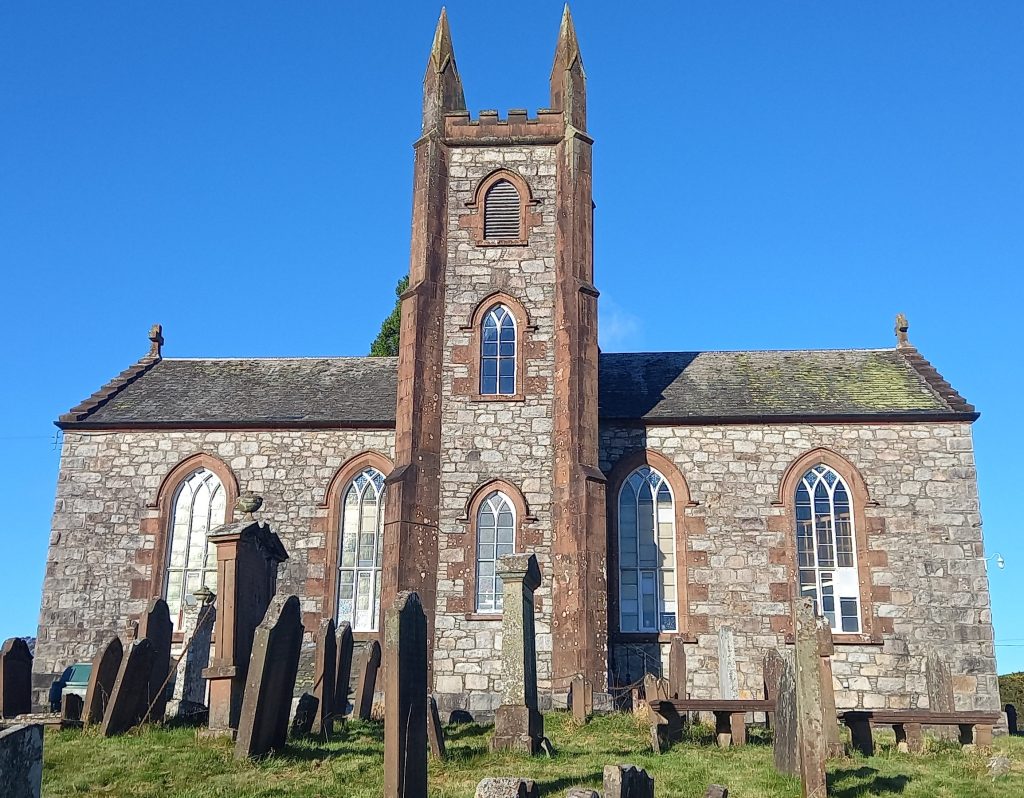
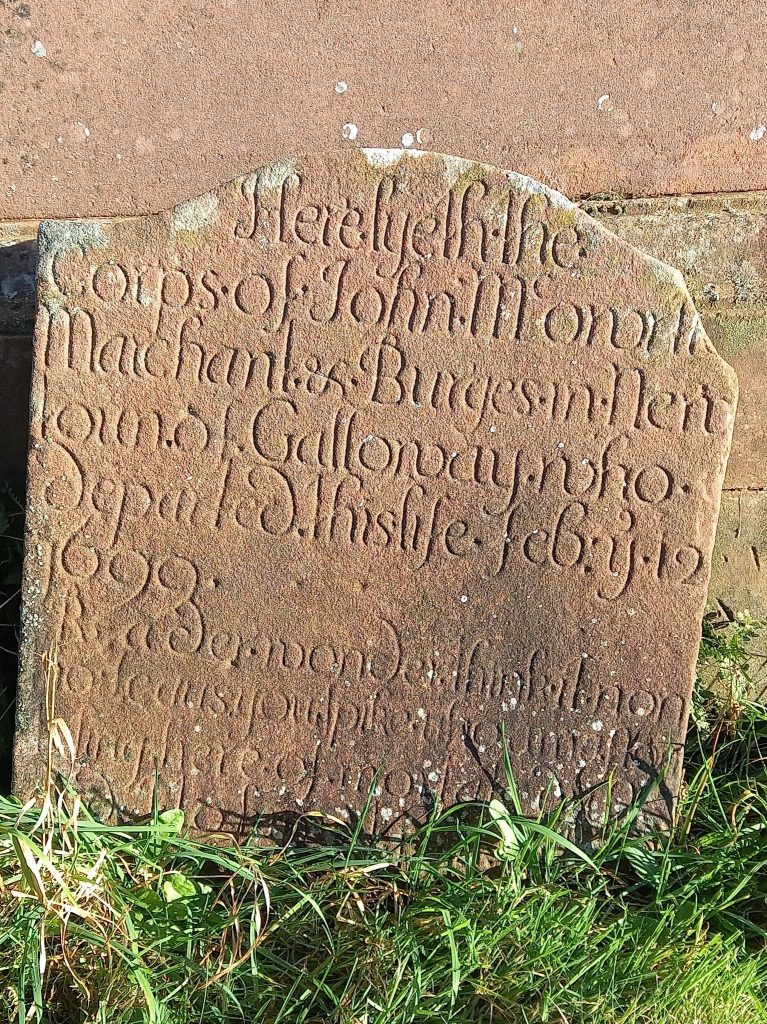
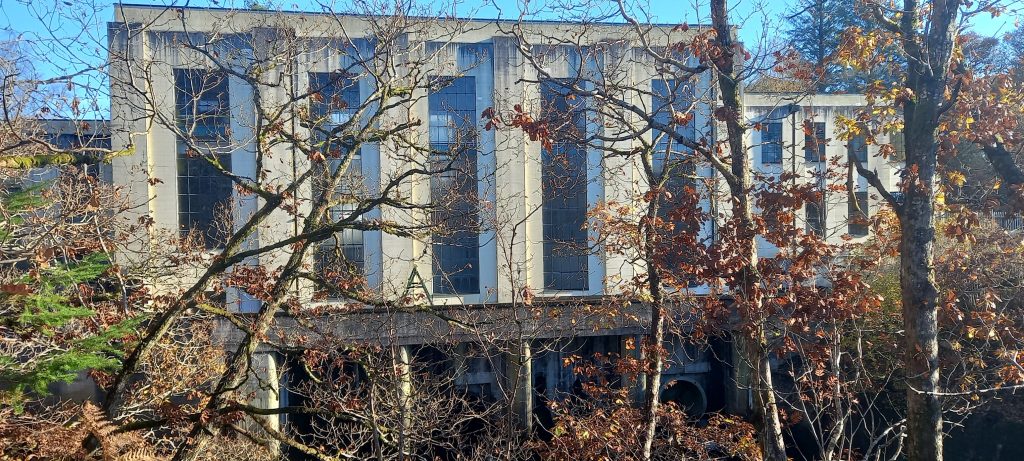
On leaving St John’s Town of Dalry, a further 5 miles north is another walking option in the Dundeugh Forest Trail, one of whose features is the Kendoon Power Station. In commencing the return journey, take the turning onto the A762 (marked ‘Glenlee’) towards New Galloway just before the Allangibbon bridge, passing Earlstoun Power Station, then arriving at the old kirk and kirkyard of Kells. Here you will see many fascinating old headstones, including some inscribed with seventeenth-century dates from the era New Galloway was founded as a royal burgh. (images below: Kells kirk and kirkyard; Kendoon Power Station).

New Galloway
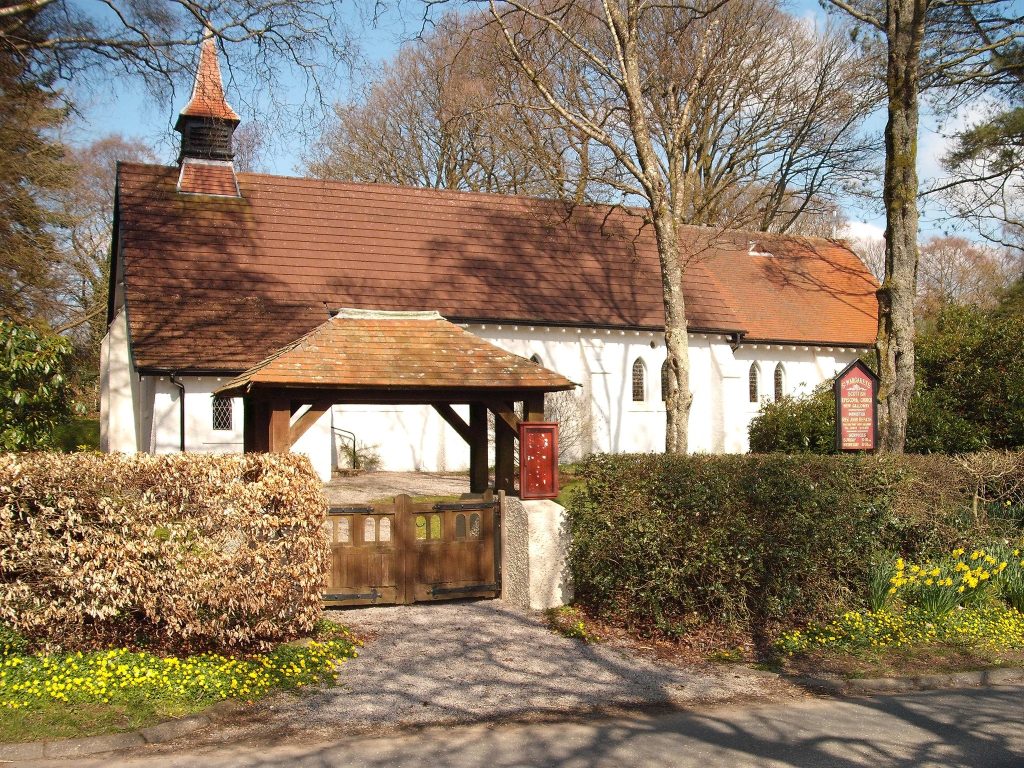
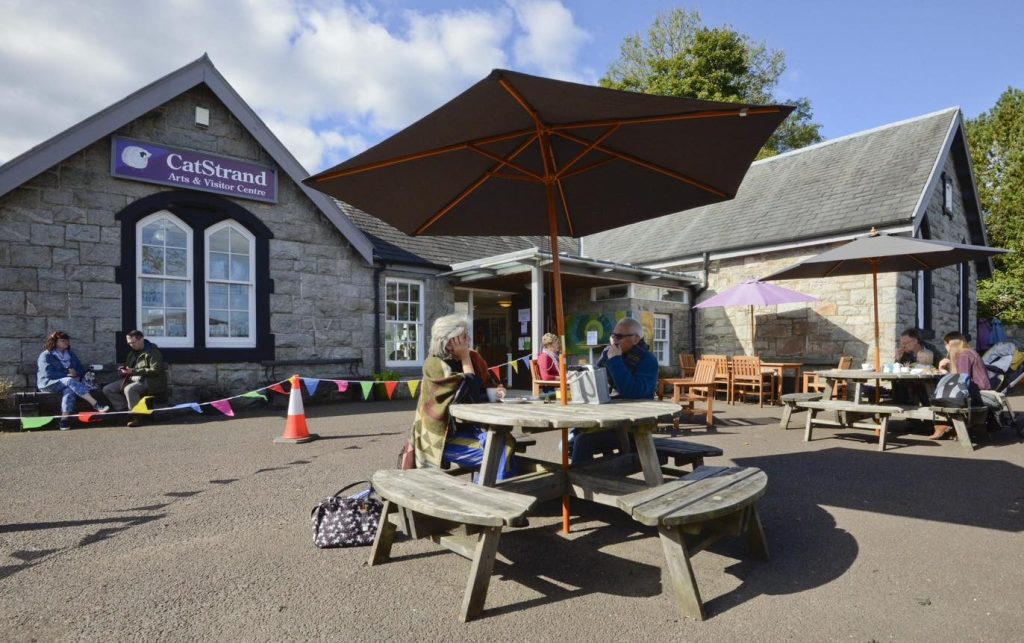
The CatStrand in New Galloway is a perfect place to stop for food & drinks, plus Glenkens information – it moreover hosts a year-round programme of cultural events. (images: St Margaret’s Episcopal Church, New Galloway, and The Catstrand).
Kenmure Castle
Around a mile south of New Galloway, still on the A762, you might suddenly catch a glimpse through trees of the magnificent ruins of Kenmure Castle, seat of the Gordons of Kenmure (and possibly in medieval times of the Lords of Galloway). Parking to access the castle is limited to a few small lay-bys, and care should be taken when walking on any section of the road. A stile gives entry to the overgrown yet still tree-lined avenue leading to the huge mound on which the castle – largely now a mansion dating from the 17th to 19th centuries – stands. The structure is unfortunately in a perilous condition, and should not be entered on any account (internal sections have collapsed even of late). Walk around the former terraced gardens, and view the walled garden (recently in use to house pigs!) – all testimony to the now faded glory of a bygone age.

Laurieston and Balmaghie
There are additional places to stop on continuing down the A762, skirting the banks of Loch Ken, including further potential walks, before eventually arriving at Laurieston village. From here a minor road east (‘Kirk Road’) passes near the Red Kite Centre, and finally arrives at the pretty little historic kirk and kirkyard of Balmaghie, now run as a charitable community trust, which offers a tranquil view across Loch Ken to Crossmichael kirk and village (near where we began our journey). From Laurieston, take either the B795 east to return to Castle Douglas via Glenlochar, or continue south onto the main A75 route at Ringford for Kirkcudbright.