
Outdoors, Nature & Wildlife
If you love walking or cycling (or both) in scenic surroundings, then take a look at what Dumfries and Galloway has to offer.
D&G Core (and other) Paths
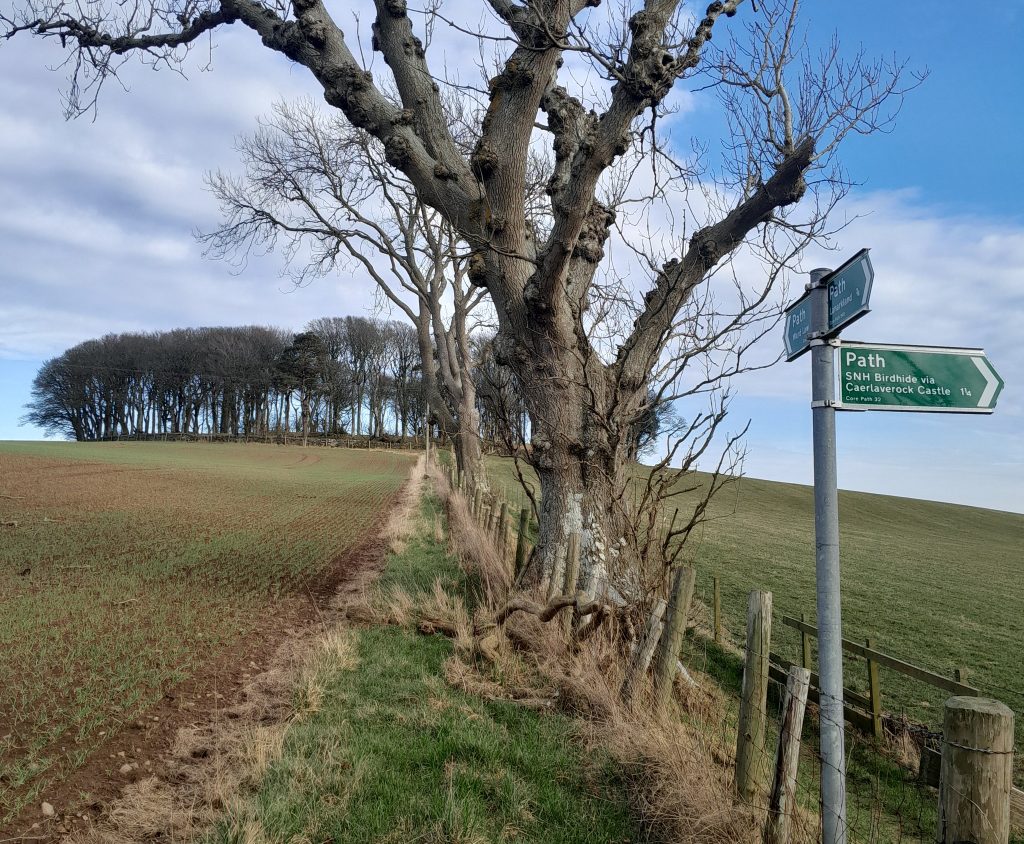
Currently numbered at around 200, the vast majority of these paths are signposted and intended to ‘give people reasonable access throughout the area.’ The land crossed can be varied and includes farmland, forests, shoreline, plus areas of open moorland and hills. Dumfries and Galloway Council operate a website detailing most paths, with a zoomable location map plus individual walk downloads. Some comprise just a gentle scenic stroll – suitable for families with small children. Others entail routes of ten miles or more, often with upland sections, and require a bit more stamina, time, and ideally stout walking boots. Numerous additional paths are maintained locally, often by voluntary groups. (image: walk options at Wardlaw hillfort). Individual walks are sometimes featured on our Blog and Facebook page.
Cycling & Mountain Biking
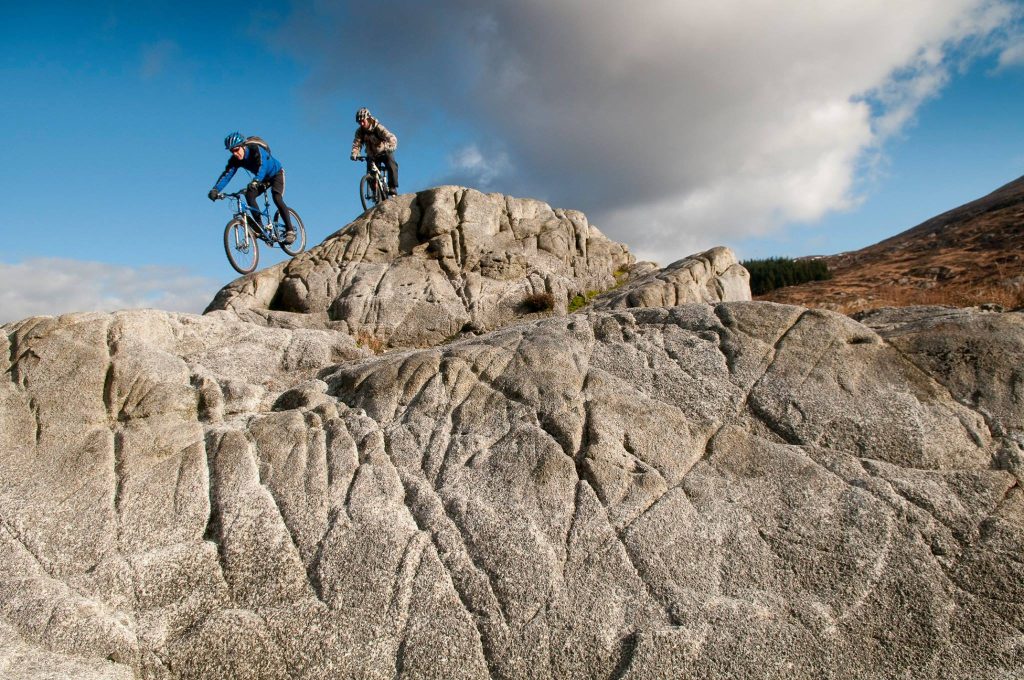
While the principal roads crossing the region can be fairly busy with traffic, there is a network of more tranquil cycling options mostly following minor roads, several conforming to the national cycle routes grid. Complementing their Core Paths guide, Dumfries and Galloway Council has produced an ‘active travel map’ which includes cycle routes – from the Wigtownshire Rhins in the west to Annandale in the east. The ‘mountain biking heaven’ of the 7stanes has five centres in the region, two of these also offering bike hire and repairs. Trails vary from those suitable for children and beginners, to longer and more testing ones for experienced bikers. Endurance mountain bike events are organised at certain times of the year. (image credit: 7stanes).
Long-distance Trails & Hill Walking
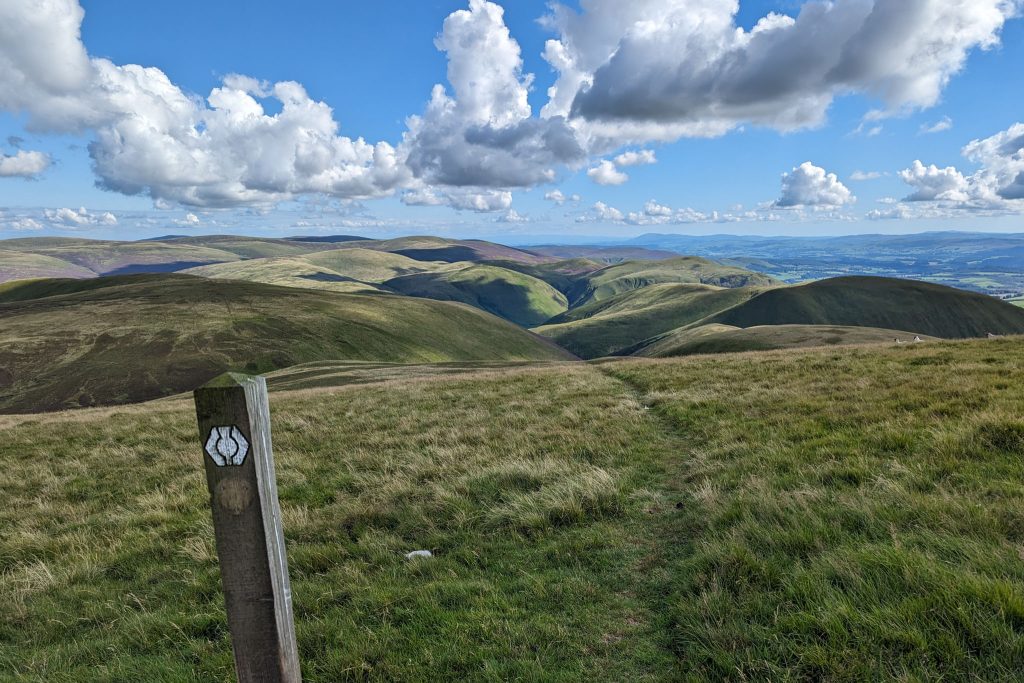
Four long-distance distance trails traverse Dumfries and Galloway. Two, the Rhins of Galloway Coastal Path (83 miles) and the Annandale Way (56 miles) are located at either end of the region. The Southern Upland Way and the Whithorn Way, meanwhile, continue beyond the regional boundary into the Borders and Ayrshire (and beyond) respectively. Combine an exploration of history with wildlife spotting, and of course good exercise, on sections of any of these walking routes. For hill walkers, in addition to some of the options included in the Core Paths list, longer and more challenging treks through in particular the wild and remote Galloway Hills make for an unforgettable experience.
Wildlife & Farm Centres
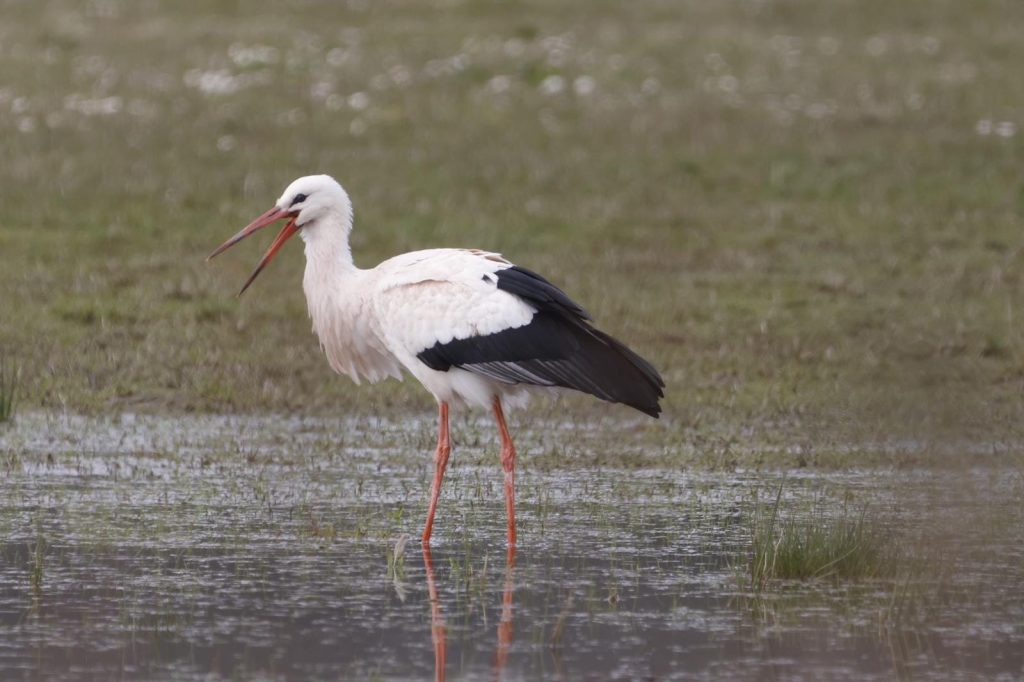
Dumfries and Galloway is home to a rich variety of wildlife reserves, notably those managed by the RSPB and Forestry and Land Scotland. For example, observe species of seabirds and wildflowers while walking the exhilarating clifftop trail at Mull of Galloway RSPB, or watch Red Deer (and from the hide even feed them carrots) in the Galloway Forest Park. Many more locations for the nature spotter include the Wild Goat Park, the Caerlaverock Wetland Centre, the Port Logan Fishpond, and the Threave Nature Reserve. For a close-up experience with farm animals, especially suited for children, visit Mabie Farm Park and Dalscone Farm Fun. (image credit: RSPB Mersehead).