
Eastern Kirkcudbrightshire – Places to Visit
Castle Douglas & Colvend Coast
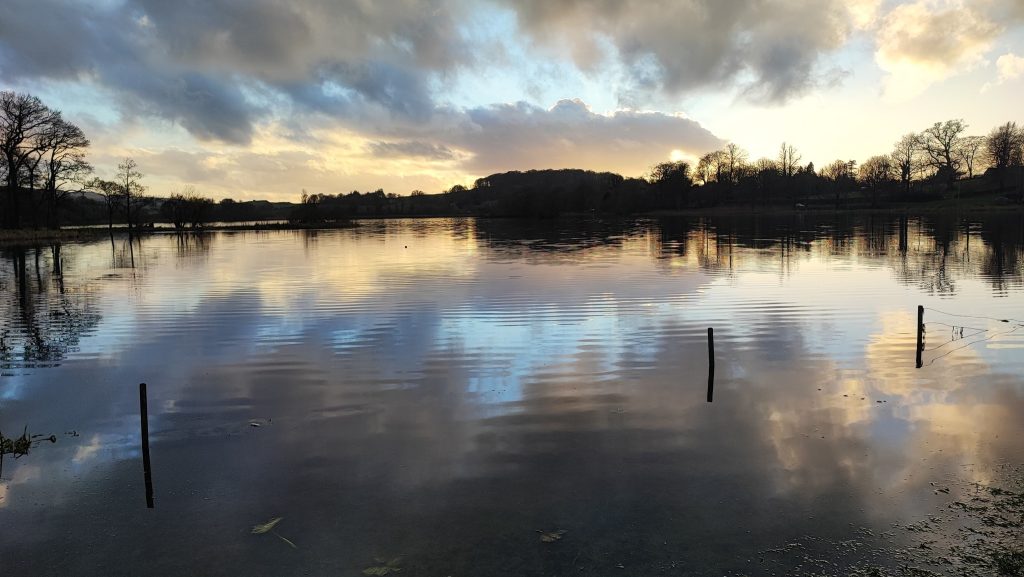
Castle Douglas originated as an eighteenth-century planned market town, founded by Sir William Douglas. Today it continues the tradition in offering the visitor around 50 independent local shops, including a number specialising in comestibles – according ‘CD’ a reputation as Galloway’s ‘Food Town’ – not to mention the Sulwath Brewery. There are numerous scenic and historic places to visit in the vicinity, such as Threave Castle, Threave House Gardens and Nature Reserve, and Carlingwark Loch (pictured). Heading south towards the coast, you will discover Dundrennan Abbey and Orchardton Tower (see our History and Heritage page) and a series of quaint villages and sandy beaches and coves between Auchencairn and Rockcliffe. Walking (and several cycling) options are plentiful – such as the 24-mile Urr Valley circular trail, the wildlife-rich Threave Estate walk, the short Carlingwark Loch circular, and the 12-mile (return) Rockcliffe to Sandyhills spectacular coastal path.

New Abbey, Kirkbean, & Southerness
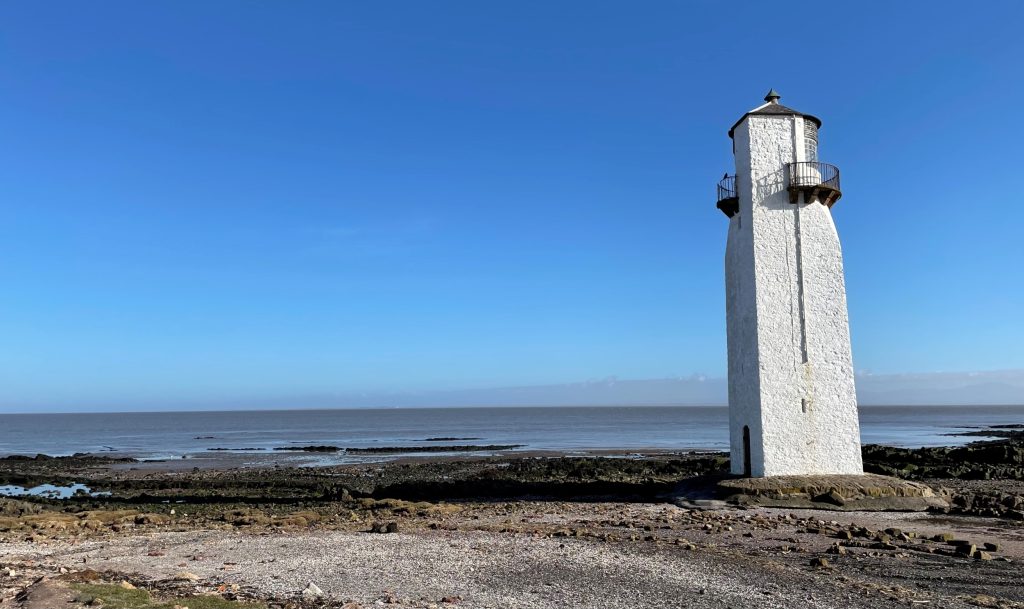
Situated 6 miles south of Dumfries, the picturesque village of New Abbey is home to the impressive remains of the thirteenth-century Cistercian ‘Sweetheart Abbey’, founded by Lady Devorguilla of Galloway in memory of her husband, Lord John Balliol. The village also contains an eighteenth-century corn mill, with walking alternatives including a trek to the summit of Criffel, or a shorter one up to the Waterloo Monument. This Criffel walk is fairly strenuous, but if you choose a bright clear day, you will be rewarded with great views across the Solway to the Lake District. Further south is the lovely village of Kirkbean, with its historic church and graveyard plus Arbigland House and Gardens. Continuing west towards Colvend, other places to visit include Southerness, with its extensive beaches and old lighthouse, and the nature reserve of RSPB Mersehead.
Kirkcudbright & environs
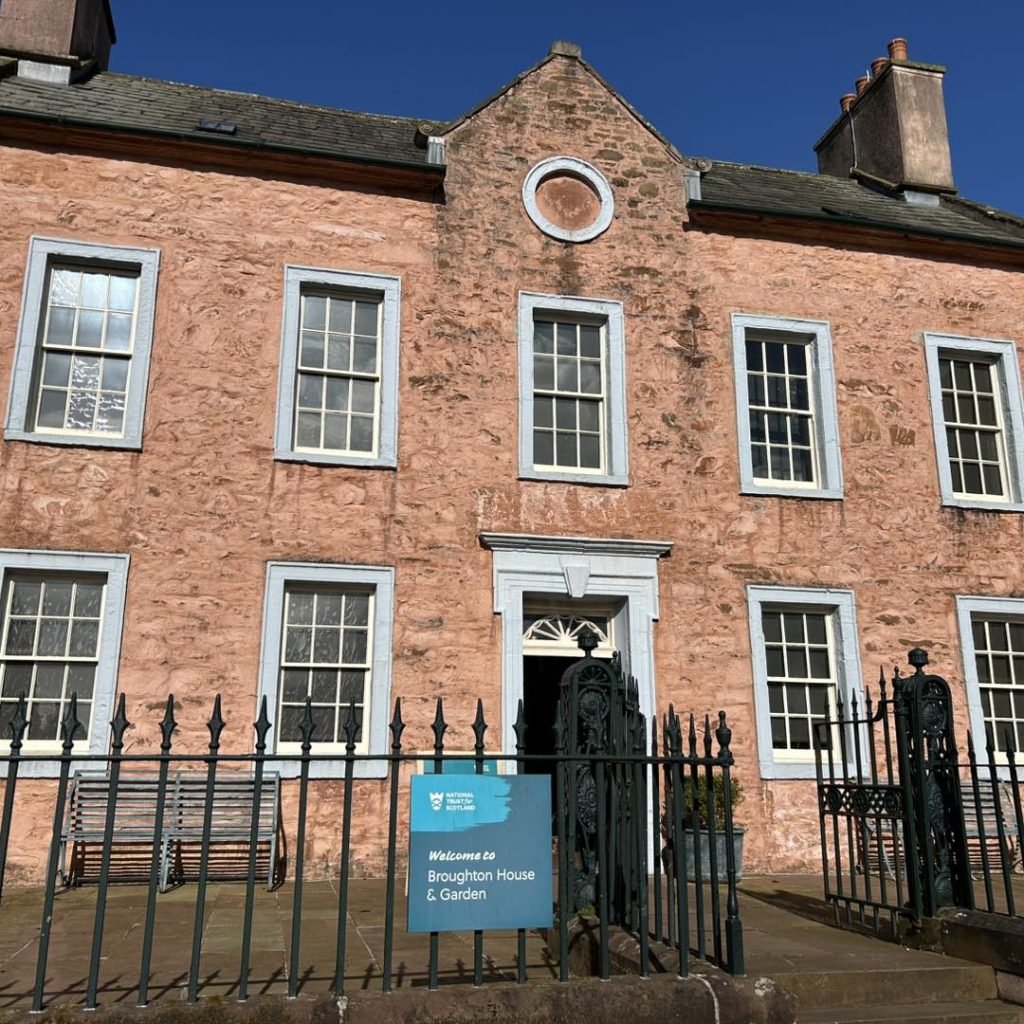
The port of Kirkcudbright played a significant national role during medieval times in respect of being a royal burgh graced by large castle and monastery. In later centuries its importance continued as a mercantile centre and in time a renowned artists’ town. While little survives from the earlier periods (unless you are a connoisseur of castle earthworks which exist in abundance around the area) there remains a wealth of places to visit and see for history buffs, aficionados of art, and lovers of nature alike: MacLellan’s Castle, the historic town core including places like Broughton House (pictured), the Kirkcudbright Galleries and the Tolbooth Art Gallery, the Stewartry Museum, and a huge heritage-rich graveyard. For walkers and wildlife-watchers, options extend from a short stroll around St Mary’s Isle, the Senwick Shore and the Dhoon (beach), to a far longer trek or cycle trip to Dundrennan – which like the other locations can also be reached by car, and where you will encounter the haunting ruins of Dundrennan Abbey.
Southerness
The small coastal village of Southerness, which has developed into an extensive holiday park, is fronted by a vast beach which extends for several miles. With its distinctive historic lighthouse, from this point explorers can enjoy walks with fine views across the Solway to the Lake District, while members of recognised golf clubs can book a tee at the championship links Southerness Golf Course. The RSPB Mersehead reserve is only a shot drive (or walk) away. (image credit: Darren Maxwell).
Orchardton Tower and Palnackie
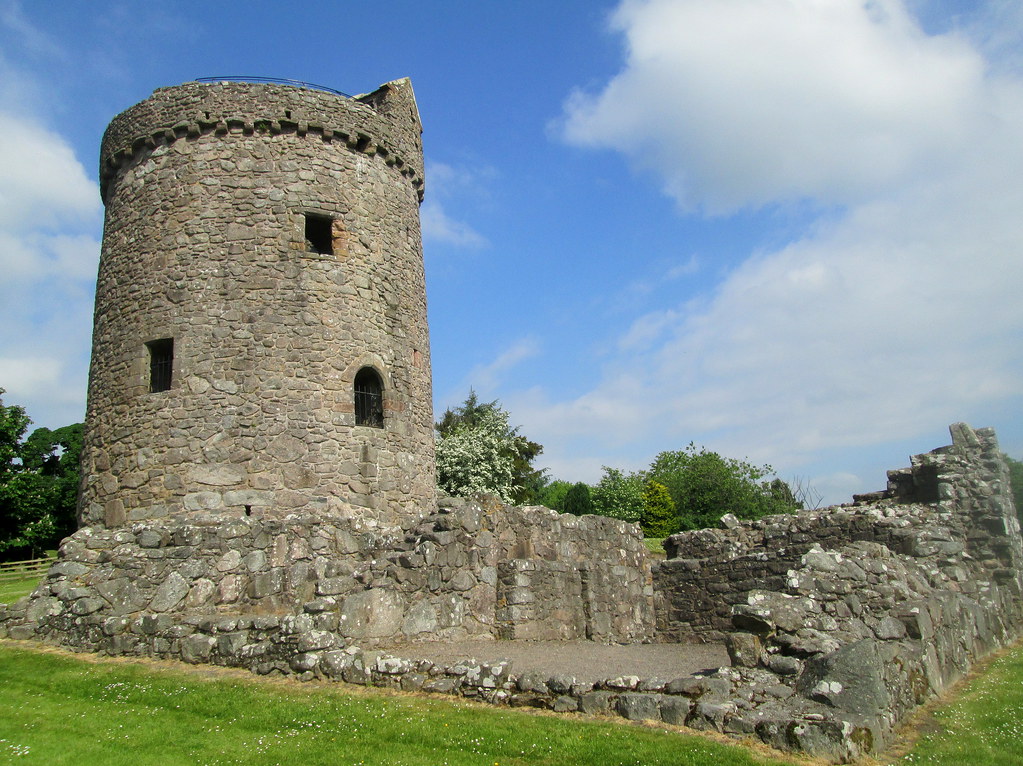
Near the small village and former port of Palnackie, Orchardton Tower is an unusual free-standing round tower, the only one of its type in Scotland. It operated as a fortified residence for a nobleman named John Cairns, who may have acquired the land after James II’s overthrow of the Douglases in 1455. Opened all year round (closed Thursday and Friday between October and March), admission free.
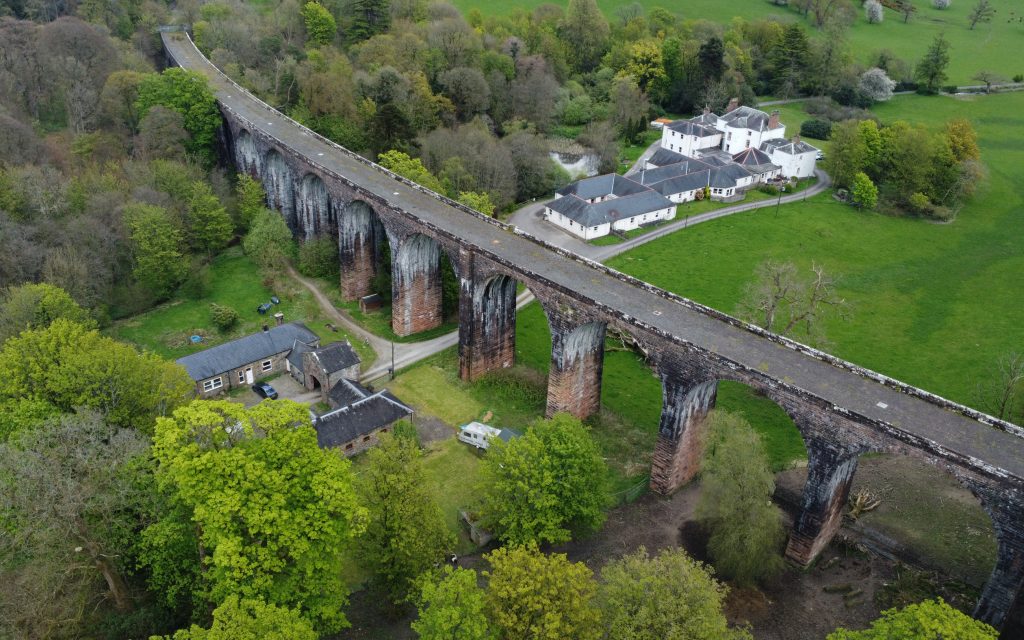
‘Lost’ Railway Lines
Closed in the 1960s, the ‘lost’ Victorian railway lines of Galloway, immortalised in books like The Five Red Herrings and The Thirty-Nine Steps, have left a lasting legacy on the landscape. Impressive viaducts can be seen at Goldielea (pictured), Loch Stroan, Loch Ken, and in partial form at Tongland (Kirkcudbright) and across the Urr north of Dalbeattie – plus at other locations further west across the region, notably ‘Big Water of Fleet’ and Glenluce. Sections of old line can still be walked along at places like Castle Douglas, Loch Skerrow, and Kirkcudbright. The ‘Railscot’ site offers an excellent overview of the three principal lines in Galloway – including the physical remains along their course.
Dalry & the Glenkens
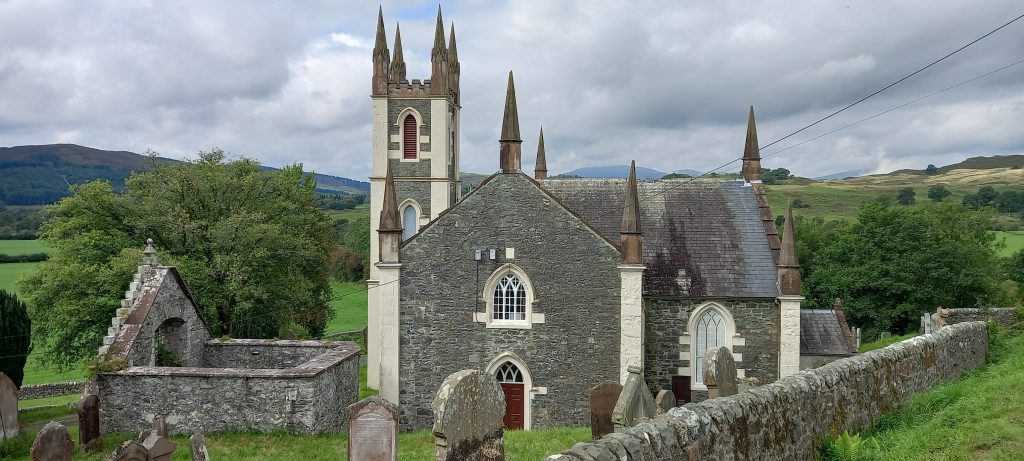
The name ‘Glenkens’ derives from the river of the Water of Ken and Loch Ken into which it flows, before becoming the winding River Dee as emerging into Kirkcudbright Bay. While we have used the line of this long topographical feature to explore Kirkcudbrightshire in separate ‘halves’ of west and east, the Glenkens in fact straddles both. The area rich in history, from prehistoric remains to a series of Art Deco-styled 1930s hydroelectric power stations. Places to visit include the charming village of St John’s Town of Dalry, with its old kirk and kirkyard and passed by the Southern Upland Way, and others at Parton, Balmaclellan, and Crossmichael. On the banks of Loch Ken is the Galloway Activity Centre, which offers taster sessions in activities such as kayaking and windsurfing. Walk options in the Glenkens are plentiful.
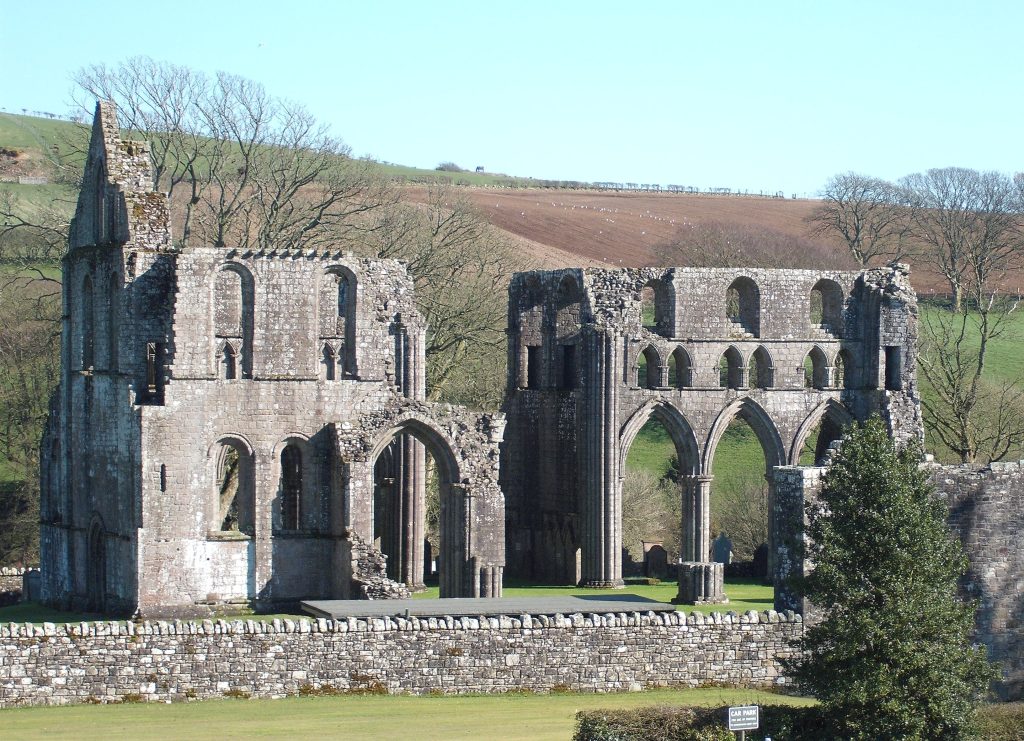
Dundrennan Abbey
Visit the impressive and charming remains of this medieval Cistercian abbey, founded for a community of monks in the twelfth century. View the stone effigy of a murdered abbot, with his executed assassin at his feet. Mary Queen of Scots spent her last hours in Scotland here in May 1568, following the defeat of her forces at the Battle of Langside before departing across the Solway at nearby Port Mary (a beach named in her honour) to exile, imprisonment, and eventual execution in England. Dundrennan Abbey is another monument cared for by Historic Environment Scotland. Open April-September (admission charge).
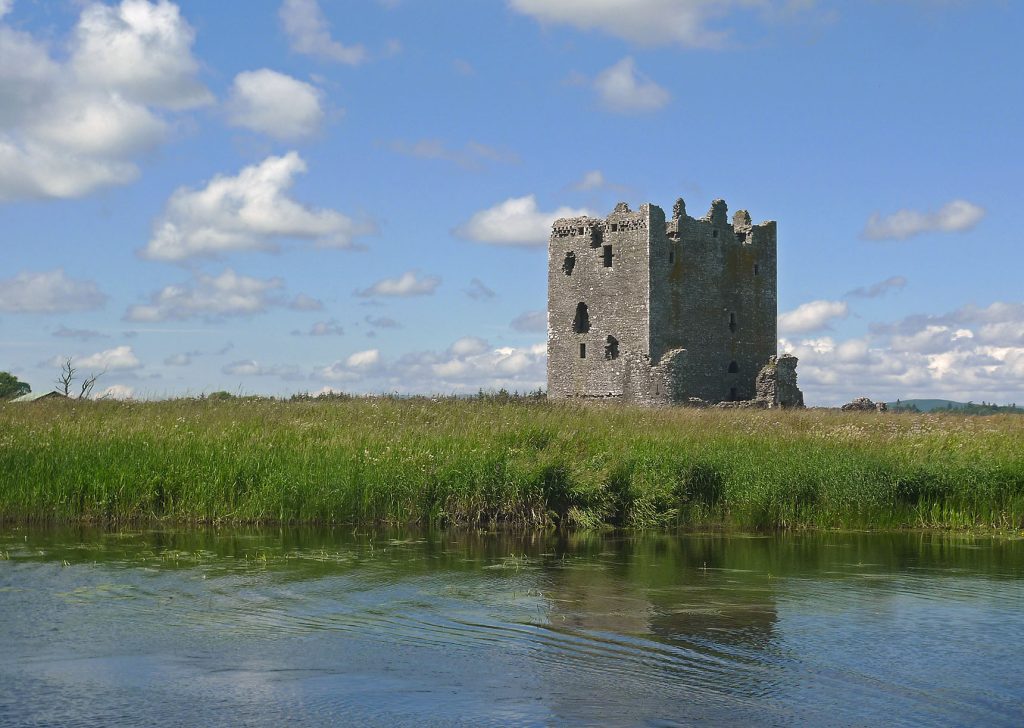
Threave Castle
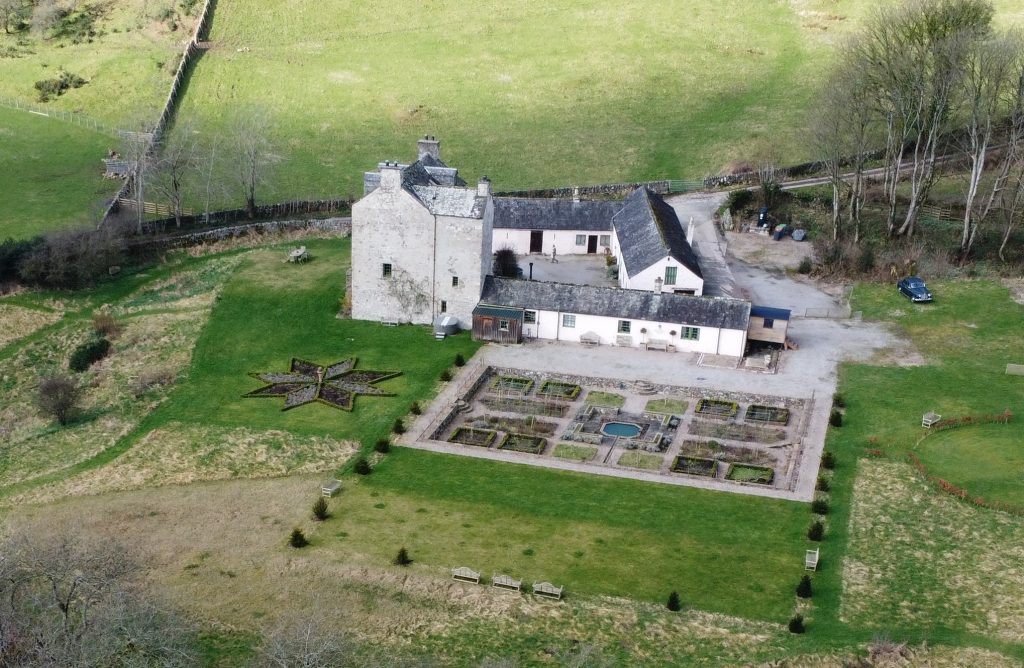
This huge and forbidding tower-house, on an island in the River Dee, was built by the aptly-named Archibald ‘the Grim’ in the late-fourteenth century – although the history of the site almost certainly goes back much further. The scene of long sieges of national importance, around the base of the massive tower are remains of a fifteenth-century artillery fortification. Historic Environment Scotland maintain the castle, which is reached by boat from a small jetty across the river. A pleasant and scenic half-mile walk from the NTS nature reserve carpark is required to reach this point in the first place. Open April-October – although currently no access to the building interior. The site has reopened in 2026 following a lengthy closure for maintenance work. Reduced admission charges meantime for exterior-only view and island visit.
Dalbeattie & the Urr Valley
Nestling in the Urr Valley some 15 miles south west of Dumfries, Dalbeattie, like Creetown, developed as another planned town famed for its role in the Granite Industry. Once more, there are numerous local visiting and leisure options. Walks and cycle trails include those in the Dalbeattie Forest and the forest and coastal walk to Rockcliffe and Colvend. Some historic sites to see are the Mote of Urr (the huge mound of a medieval castle), Buittle Castle (pictured – during visiting periods) and Drumcoltran Tower. Approximately halfway between Dalbeattie and Dumfries, stop in at the quality food destination of the Camphill Community farm shop and cafe beside Loch Arthur.
Drumcoltran Tower
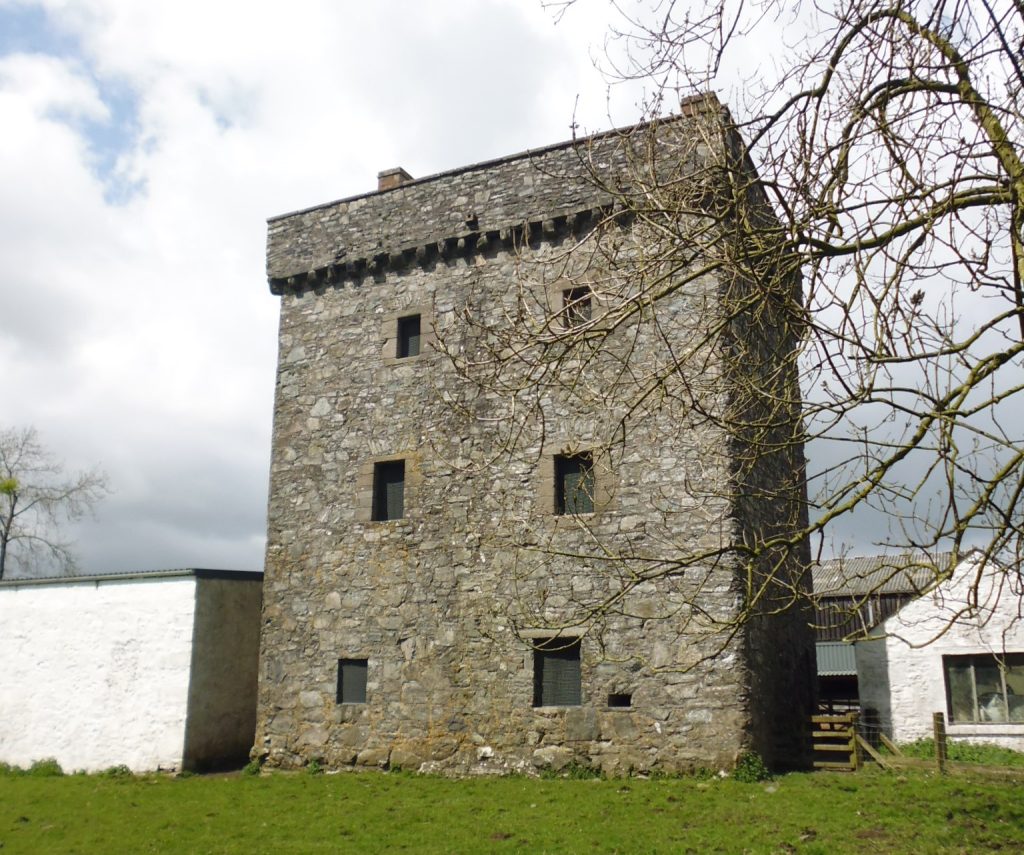
Situated approximately halfway between Dalbeattie and Dumfries, reached by minor roads from the A711, this intact late-16th century L-plan towerhouse was built by a local branch of the regionally powerful Maxwell family. The tower consists of three storeys and a garret, with a corbelled parapet at the top. Unusually, its corners are rounded and not angled. Drumcoltran’s austere appearance is reflected by a platitude inscribed on a stone panel above its front entrance. Translated, it reads: ‘Keep hidden what is secret, speak little, be truthful, avoid wine, remember death, be merciful’. Maintained by Historic Environment Scotland, Drumcoltran Tower is free to visit and open year-round. (information from HES).
Other Historic Sites and Buildings
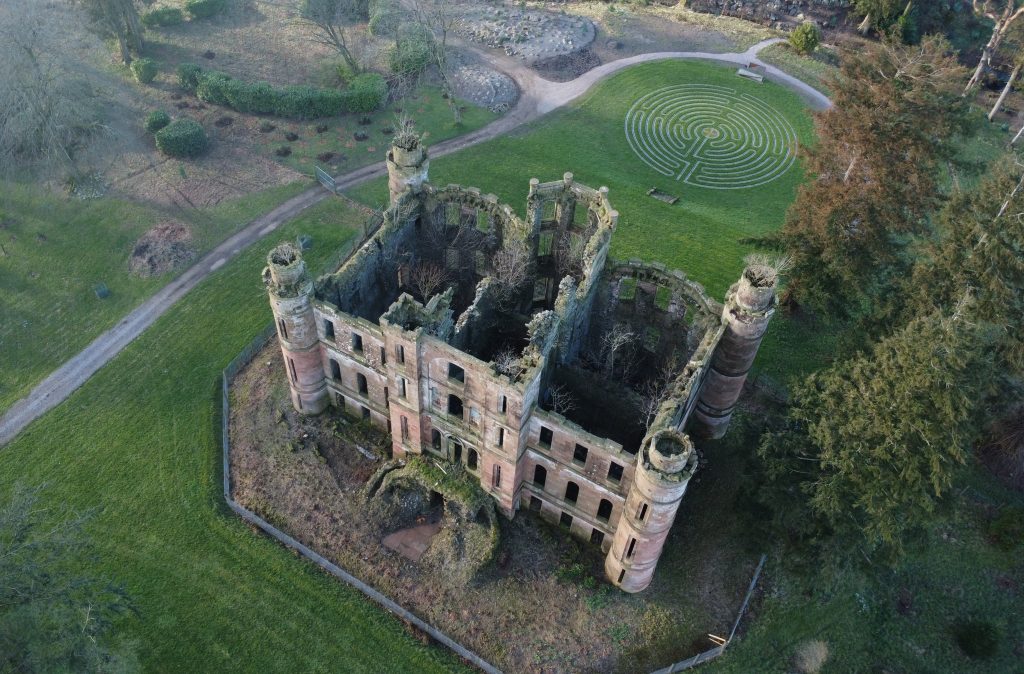
In addition to the places featured in the Kirkcudbrightshire area guides (plus in our History and Heritage section) the county is dotted with numerous other historic sites, from hillforts, to earthworks of medieval castles like the Mote of Urr, to ruined mansions such as Gelston (pictured – no entry to structure). Many of these are passed by paths, can be viewed from the roadside (e.g., Wreaths Tower) or are located in fields, permission to which is best sought to enter.